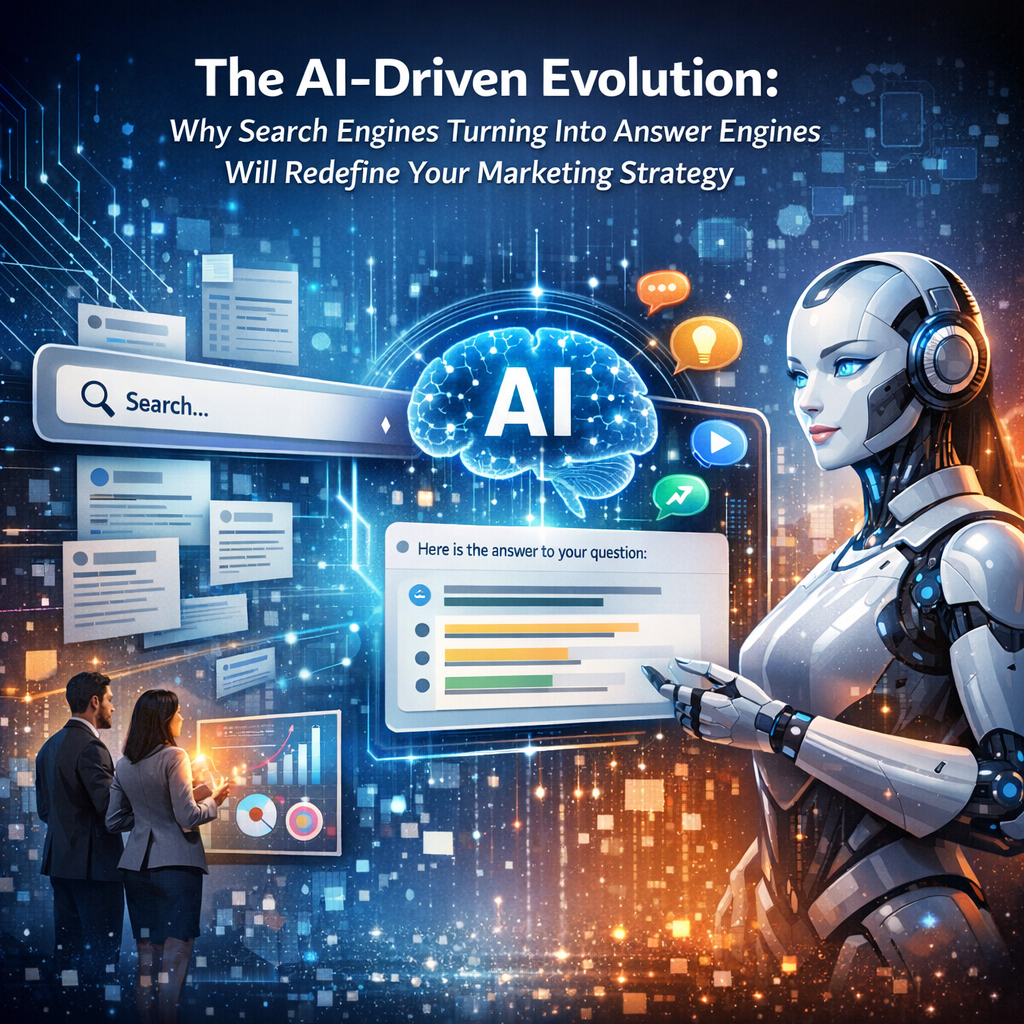
Harnessing AI-Powered SEO Strategies for C-Suite Marketing Leaders
Introduction
In the digital age‘s fast-paced business environment, C-suite marketing and SEO professionals are constantly challenged to innovate and stay ahead of the curve. As organizations increasingly pivot toward digital channels, the need for robust and effective SEO strategies has become paramount. This is where AI-powered SEO strategies come into play, offering a game-changing approach to digital marketing, promising to revolutionize how companies grow their online presence.
AI, or artificial intelligence, is transforming industries across the globe, and its impact on SEO is no exception. By leveraging AI, marketing leaders can optimize their strategies with unprecedented precision and agility. From analyzing search engines’ ever-evolving algorithms to understanding and predicting consumer behavior, AI provides actionable insights that can significantly enhance an organization’s SEO efforts. For instance, Google’s use of AI through their RankBrain system has changed how search results are delivered, requiring SEO teams to adjust their strategies in real time. Keeping pace with these changes is critical for maintaining a competitive edge.
In addition to optimizing search strategies, AI can automate mundane SEO tasks, freeing up valuable resources for strategic planning and creativity. AI tools can crawl websites, conduct keyword research, and perform competitive analysis faster and more accurately than traditional methods. As a result, C-suite executives gain a clearer picture of the digital landscape, allowing them to craft strategies that are both innovative and effective.
However, it’s not just about automation. AI-powered tools can provide deeper insights into customer intent and behavior, enabling personalized marketing initiatives that resonate more deeply with target audiences. Personalized experiences foster engagement and customer loyalty, crucial components in today’s competitive market.
The AI-driven SEO transformation is both an opportunity and a challenge for marketing leaders. Embracing these technologies requires a strategic mindset and a willingness to invest in training and resources. For those who successfully integrate AI into their SEO strategy, the rewards can be substantial, offering a pathway to sustained digital growth and leadership in the marketplace.
Features
The integration of AI into SEO strategies is backed by a growing body of professional and academic studies, highlighting its transformative potential. A notable study by PwC found that AI could contribute up to $15.7 trillion to the global economy by 2030, emphasizing the importance of adopting AI technologies to remain competitive.
In the realm of SEO, AI’s abilities have been continuously proven. Through machine learning, AI can sift through massive volumes of data far more quickly than human analysts, allowing for sophisticated trend analysis and forecasting. A study published in the Journal of Digital Information explores how machine learning algorithms used within AI platforms can decode complex ranking algorithms, leading to more efficient and effective SEO strategies.
Moreover, AI-driven tools like natural language processing (NLP) are enhancing the way content is optimized for search engines. NLP technology allows for a more nuanced understanding of search queries, enabling the creation of content that more accurately addresses users’ needs and questions. This advancement aligns closely with Google’s move towards semantic search, where the intent behind search queries is prioritized over exact keyword matches. McKinsey & Company’s [report](https://www.mckinsey.com/business-functions/mckinsey-digital/our-insights/how-artificial-intelligence-is-accelerating-the-evolution-of-search) on digital marketing strategies illustrates how enterprises leveraging such AI technologies have seen marked improvements in user engagement and conversion rates.
AI is also making strides in content personalization. According to a Harvard Business Review analysis, companies utilizing AI for personalized marketing saw a 10-20% increase in sales. AI analyzes data from various customer touchpoints, allowing marketers to customize content that meets the individual preferences and habits of each user. Personalization leads to more meaningful brand interactions and a stronger long-term customer relationship, vital for sustained business success.
By embracing AI, marketing leaders are not only aligning with current technological trends but also setting the foundation for future innovations and growth. The use of AI in SEO is not merely a trend; it is a fundamental shift in how marketing strategies are conceived and implemented.
Conclusion
AI-powered SEO strategies are more than just a technological upgrade—they represent a paradigm shift in digital marketing. For C-suite leaders, integrating AI into their SEO efforts can offer competitive advantages through enhanced analytics, automation, and personalized customer interactions. As businesses continue to navigate the complexities of the digital landscape, AI stands out as a crucial tool in achieving sustained growth and industry leadership. Investing in AI tools and capabilities today promises greater marketing success and innovation tomorrow.
Summary
In today’s fast-paced digital-business landscape, AI-powered SEO strategies offer a transformative edge for C-suite marketing leaders. By harnessing AI, organizations can optimize strategies with higher precision, automate tasks, and gain deeper insights into consumer behavior, enhancing SEO efforts. AI tools like machine learning and natural language processing enable faster data analysis and content personalization, leading to improved engagement and sales growth. Integrating AI is a strategic move, setting the stage for future innovations. For marketing leaders, investing in AI offers a pathway to sustained growth and leadership amidst the evolving digital economy.

Dominic E. is a passionate filmmaker navigating the exciting intersection of art and science. By day, he delves into the complexities of the human body as a full-time medical writer, meticulously translating intricate medical concepts into accessible and engaging narratives. By night, he explores the boundless realm of cinematic storytelling, crafting narratives that evoke emotion and challenge perspectives.
Film Student and Full-time Medical Writer for ContentVendor.com