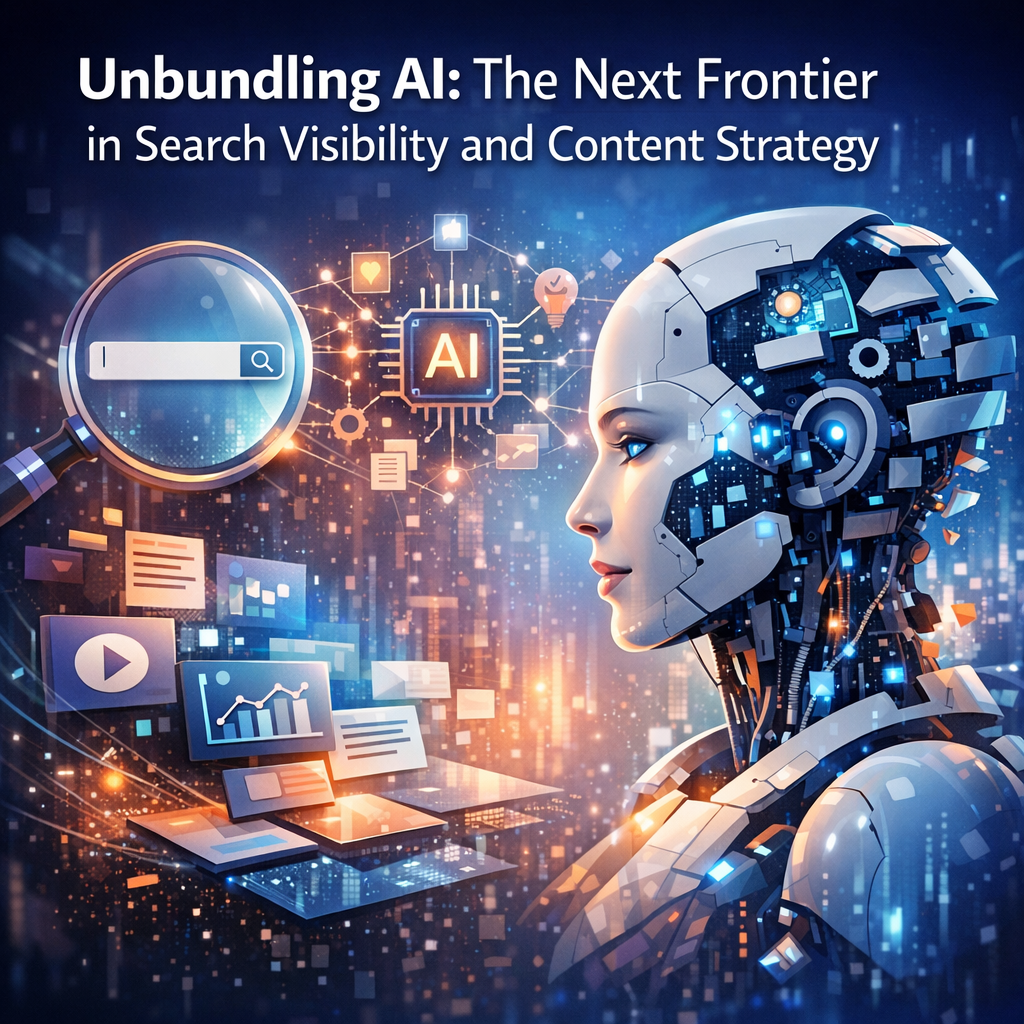
Harnessing AI for SEO: Transforming Strategy with Predictive Analytics
Introduction
In the ever-evolving landscape of digital marketing, C-suite executives and SEO professionals are continually seeking innovative solutions to maintain their competitive edge. One of the most transformative trends reshaping the SEO landscape is the integration of Artificial Intelligence (AI) with predictive analytics. This dynamic duo promises not only to redefine search engine algorithms but also to revolutionize how businesses optimize their digital presence.
SEO has traditionally been driven by historical data analysis and manual adjustments, with marketers tweaking strategies based on past performances. However, this approach often falls short in a world where consumer behaviors are rapidly shifting, and data is being generated at an unprecedented rate. Enter AI and predictive analytics, which offer a proactive rather than reactive approach to SEO. By analyzing patterns and trends from vast datasets, AI can forecast potential SEO outcomes, allowing businesses to stay one step ahead of their competition.
AI’s capabilities extend far beyond basic keyword analysis. Modern AI algorithms are adept at natural language processing, sentiment analysis, and understanding user intent at an advanced level. This allows businesses to tailor content with precision, targeting the right audience segments with the right message at the right time. Moreover, AI can automate mundane SEO tasks, such as data collection and reporting, freeing up valuable human resources to focus on strategy instead.
For C-suite marketing leaders, leveraging AI in SEO is not just about improving rankings; it’s about aligning digital strategies with business objectives effectively. AI-driven insights guide strategic decisions on content creation, website design, and user experience enhancements, all of which contribute to a more robust and cohesive digital strategy.
Features
AI’s impact on SEO is supported by numerous studies across academia and industry. A pivotal study by [McKinsey & Company](https://www.mckinsey.com/featured-insights/artificial-intelligence/notes-from-the-ai-frontier-applications-and-value-of-deep-learning) indicated that organizations harnessing AI in their marketing strategies saw a 20% increase in revenue and a 30% reduction in costs. These statistics emphasize the potential ROI when integrating AI with SEO strategies.
Furthermore, research reported in the [Journal of Business Research](https://www.journal-of-business-research.com/article/S0148-2963(20)30276-X) revealed that predictive analytics could improve decision-making precision by up to 90% in digital marketing contexts. This enhancement in decision-making is crucial for SEO practitioners who need to predict search trends and adapt promptly. The study further highlighted the role of AI in analyzing consumer behavior, which allows for more personalized marketing approaches, ultimately increasing customer engagement and conversion rates.
In the medical field, AI’s ability to handle vast amounts of data has been mirrored in SEO’s predictive analytics capabilities. Research published in [Nature Medicine](https://www.nature.com/articles/s41591-019-0447-3) demonstrated AI’s accuracy in diagnosing diseases, which parallels the precision AI brings to understanding and forecasting SEO trends. Just as AI can predict patient outcomes based on medical data, it can forecast SEO success based on search patterns, competitive behavior, and historical performance.
Moreover, a study by [MIT Sloan Management Review](https://sloanreview.mit.edu/article/reshaping-business-with-artificial-intelligence/) emphasized the strategic advantage AI brings to enterprises adopting it for predictive analytics. Companies using AI in this manner are not only optimizing their current operations but are also innovating and exploring new market opportunities faster than their counterparts who rely solely on traditional data analysis methods. For SEO strategies, this means staying at the forefront of search engine algorithm changes and consumer preferences, ensuring that marketing strategies evolve in real-time.
Conclusion
As AI and predictive analytics continue to mature, their integration into SEO strategies becomes increasingly indispensable. For forward-thinking C-suite marketing professionals, embracing these technologies offers a pathway to not only enhance digital performance but also align it closely with overarching business goals. By leveraging AI’s predictive capabilities, businesses can transform their SEO strategies from merely reactive adjustments to proactive, data-driven campaigns that anticipate change and drive growth.
References
1. [McKinsey & Company, “Notes from AI-Frontier: Applications and Value of Deep Learning”](https://www.mckinsey.com/featured-insights/artificial-intelligence/notes-from-the-ai-frontier-applications-and-value-of-deep-learning)
2. [Journal of Business Research, “The Impact of AI on Marketing and Business Strategy”](https://www.journal-of-business-research.com/article/S0148-2963(20)30276-X)
3. [Nature Medicine, “Artificial Intelligence in Health Care: Transforming Practice and Policy”](https://www.nature.com/articles/s41591-019-0447-3)
4. [MIT Sloan Management Review, “Reshaping Business with Artificial Intelligence”](https://sloanreview.mit.edu/article/reshaping-business-with-artificial-intelligence/)
Concise Summary
The integration of AI and predictive analytics is transforming the SEO landscape by shifting from historical data-driven strategies to proactive, data-rich insights. This approach enables businesses to optimize digital presence, enhance decision-making, and significantly improve market agility. With capabilities such as natural language processing and user intent analysis, AI offers precise targeting and content personalization. Studies highlight substantial revenue growth and cost reduction when employing AI in marketing strategies. As such, leveraging AI’s predictive capabilities ensures businesses are future-ready, staying ahead of search engine algorithm changes and evolving consumer preferences.

Dominic E. is a passionate filmmaker navigating the exciting intersection of art and science. By day, he delves into the complexities of the human body as a full-time medical writer, meticulously translating intricate medical concepts into accessible and engaging narratives. By night, he explores the boundless realm of cinematic storytelling, crafting narratives that evoke emotion and challenge perspectives.
Film Student and Full-time Medical Writer for ContentVendor.com