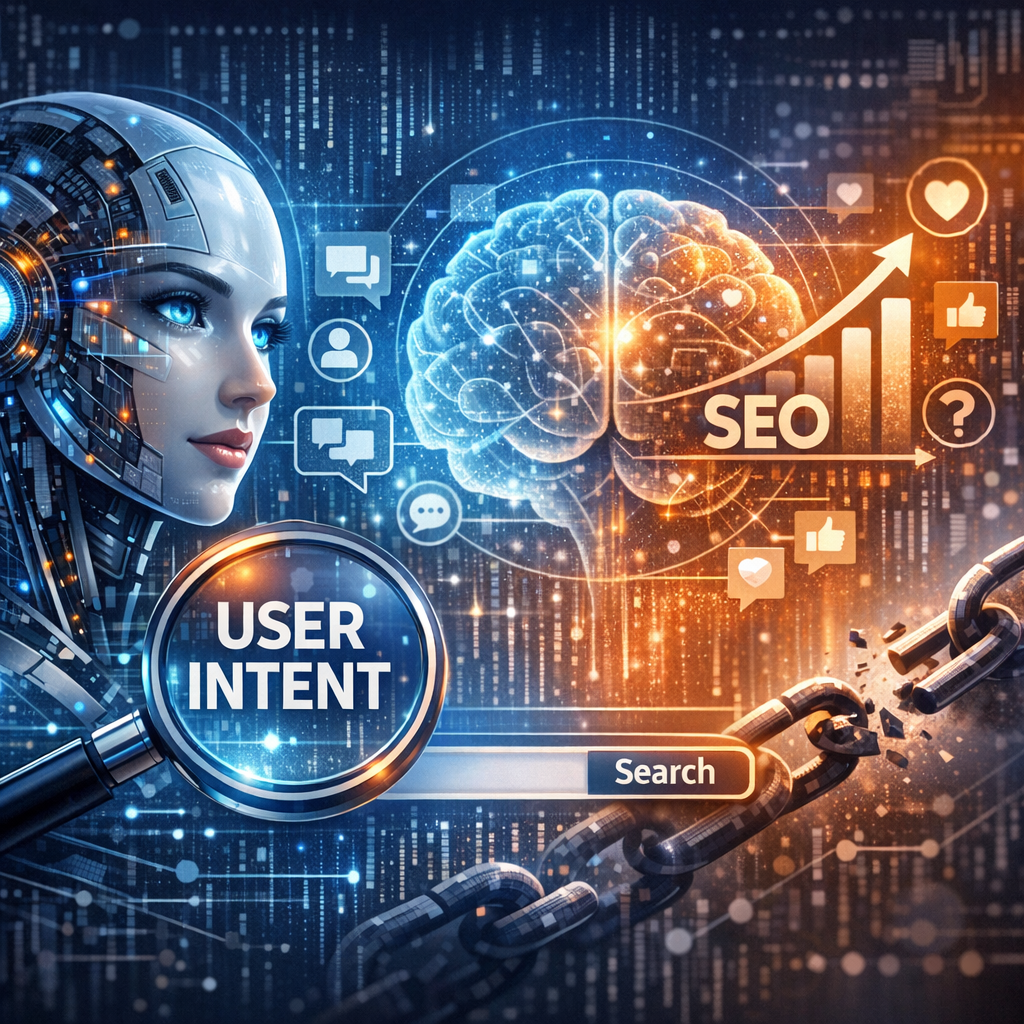
Topic: Navigating SEO in the Age of AI: Strategies for C-Suite Success
Introduction
In today’s digital landscape, SEO has seen profound changes mainly due to advancements in artificial intelligence (AI). For C-suite marketing and SEO professionals, understanding and adapting to these changes is essential for ensuring sustainable growth. As AI’s influence grows, it transforms how search engines like Google interpret, index, and rank content. This shift requires a re-evaluation of traditional SEO practices and the adoption of more sophisticated, AI-friendly strategies.
Integrating AI into SEO processes is a strategic necessity. Google’s AI-driven algorithms, such as RankBrain and BERT, have redefined the rules of the game. These algorithms use machine learning to better understand user intent and deliver more relevant search results. Content that does not align with these interpretations risks becoming unnoticed.
For the C-suite, this evolution presents opportunities and challenges. AI tools offer deep insights into consumer behavior and content performance, allowing for automation of routine tasks which frees up human resources for creative endeavors. However, overly relying on AI without understanding its limitations can lead to misguided strategies that overlook the nuances of human experience.
Navigating this new age of SEO requires a balance. C-suite professionals must ensure collaboration between human expertise and AI capabilities, ensuring technology enhances creativity without replacing it. Moreover, they must advocate for ethical AI deployment, prioritizing transparency and user privacy in their SEO strategies.
Features
Professional and academic research underscores AI’s role in reshaping SEO strategies. A study from [MIT Sloan Management Review](https://sloanreview.mit.edu/) highlights how AI-driven analytics can improve customer insights, leading to targeted content creation and higher engagement rates. A report by [Gartner](https://www.gartner.com/) predicts that by 2025, 80% of marketing leaders will rely on AI for managing customer interactions, emphasizing AI’s central role in future marketing strategies.
Parallel insights from the medical field echo AI’s transformative potential. AI processes vast amounts of health data for trend prediction, a parallel to SEO in terms of analyzing consumer behavior. A study in [The Lancet](https://www.thelancet.com/) emphasizes AI’s ability to synthesize complex data for actionable insights, valuable for SEO professionals analyzing digital data. Furthermore, [Stanford University](https://www.stanford.edu/) research explains AI’s ability to personalize user experiences through advanced data analytics, a cornerstone of modern SEO.
These studies highlight the necessity for C-suite marketing and SEO professionals to remain informed about AI advancements. By leveraging AI’s analytical edge, they can develop more effective SEO strategies that not only adapt to technological progress but also foster innovation.
Conclusion
Navigating SEO’s complexities in the AI age requires blending technology with human insight. By embracing AI’s analytical capabilities while maintaining ethical user-focused practices, C-suite professionals can drive their organizations to SEO success. The objective is to not only adapt but also set benchmarks in this evolving frontier. Understanding insights from professional and medical studies equips professionals with the edge needed to thrive in this challenging yet rewarding arena.
—
Concise Summary: SEO is evolving with the rise of AI technologies, requiring businesses to adapt their strategies. AI tools improve consumer behavior insights and content performance, freeing up humans for creative work. However, ethical AI deployment must prioritize user privacy. Research from institutions like MIT Sloan and Stanford highlights AI’s impact on SEO, emphasizing the need for a balanced approach combining technology and human expertise. C-suite leaders must spearhead this integration to set themselves apart in a competitive digital landscape, ensuring their strategies are both innovative and user-centric.

Dominic E. is a passionate filmmaker navigating the exciting intersection of art and science. By day, he delves into the complexities of the human body as a full-time medical writer, meticulously translating intricate medical concepts into accessible and engaging narratives. By night, he explores the boundless realm of cinematic storytelling, crafting narratives that evoke emotion and challenge perspectives.
Film Student and Full-time Medical Writer for ContentVendor.com