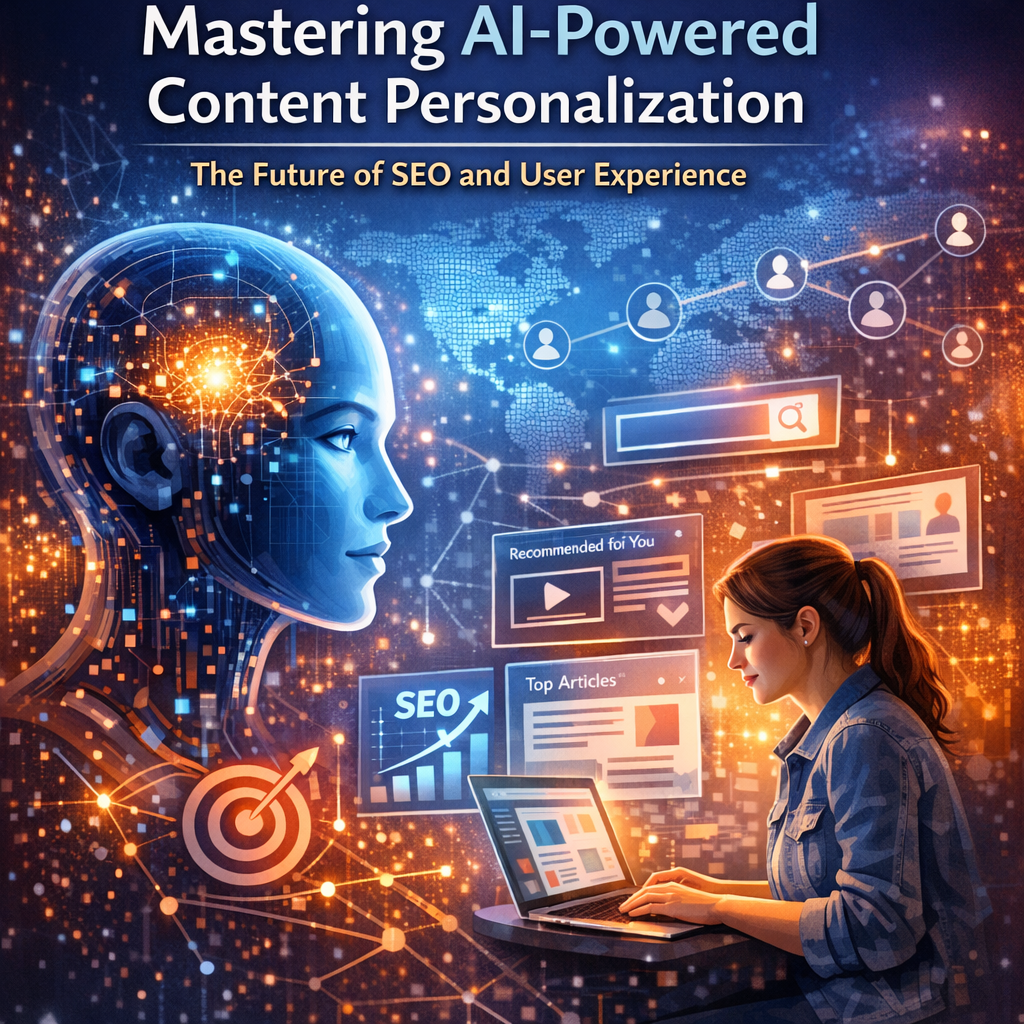
The Transformative Power of AI in SEO: Redefining C-Suite Strategies
Introduction
In an era where seamless digital experiences dictate business success, the fusion of Artificial Intelligence (AI) with Search Engine Optimization (SEO) is transforming how businesses approach digital marketing strategies. AI’s integration into SEO is an essential trend that is reshaping C-suite marketing and SEO approaches. As the digital landscape becomes more competitive, leveraging AI tools is crucial.
AI’s impact on SEO is multifaceted, offering unprecedented capabilities in data analysis, consumer insight generation, and scalable content optimization. For top-level marketing executives, understanding and adopting AI-driven SEO strategies is vital to maintain a competitive edge. Technologies such as the automation of keyword analysis, enhanced user experience personalization, and precise predictive analytics empower marketers to transcend traditional SEO methods. This shift facilitates real-time decision-making that aligns with dynamic market conditions.
The use of AI in SEO goes beyond efficiency—it’s about gaining deeper insights into customer behaviors and preferences, creating meaningful interactions, and driving conversions. AI-driven algorithms, such as natural language processing (NLP) and machine learning (ML), enable content to be optimized in a manner that matches user queries more precisely. With AI, the traditional barriers to understanding complex user behavior analytics are rapidly dissolving, offering ample opportunities for innovation in personalized marketing efforts.
AI tools like Google’s RankBrain and platforms like Moz and SEMrush are revolutionizing how organic search results are evaluated and prioritized. For C-suite leaders tasked with steering companies in a digitally evolving marketplace, understanding these tools is critical. Harnessing AI effectively ensures businesses are not only keeping pace with changes but also positioning themselves as pioneers in the field. The shift towards AI-driven strategies in SEO symbolizes a leap towards more strategic, data-centric decision-making, ultimately redefining the SEO landscape.
Features
AI’s integration into SEO strategies is supported by various research studies and professional insights, highlighting its transformative potential. A comprehensive study by the [McKinsey Global Institute](https://www.mckinsey.com/featured-insights/artificial-intelligence/notes-from-the-ai-frontier-modeling-the-impact-of-ai-on-the-world-economy) reveals that AI can potentially add $13 trillion to the global economic output by 2030, a testament to its transformative capacity across industries, including digital marketing and SEO.
In particular, AI’s prowess in data analysis amplifies its impact on SEO. According to a 2020 study by [Semrush](https://www.semrush.com/blog/ai-marketing-tools-can-enhance-seo/), AI tools have significantly improved keyword research capabilities. These tools automate the time-consuming process of finding relevant keywords and provide deeper insights into keyword intent, search volume, and related search queries. This level of detail enables SEO professionals to optimize content with a higher degree of precision, catering to specific user queries and enhancing the likelihood of prominent search result rankings.
Moreover, AI’s role in enhancing user experience is underscored by research conducted by [PwC](https://www.pwc.com/gx/en/issues/data-and-analytics/ai-2020-predictions.html), which highlights that businesses leveraging AI for improved product recommendations see a 10-30% increase in conversion rates. In SEO, this translates into creating personalized user experiences based on data-driven insights into customer behavior and preferences. Personalized experiences improve engagement and enhance customer satisfaction and retention rates.
AI-driven content optimization is another area where significant advancements are observed. Tools such as Clearscope and MarketMuse leverage AI to conduct in-depth content analysis, assessing readability, relevance, and effectiveness. This guidance enables content creators to craft SEO-friendly material that resonates with target audiences. These AI applications ensure content is relevant, high-quality, and optimized, aligning with both search engine algorithms and user intent.
Conclusion
The integration of AI into SEO strategies signifies a paradigm shift in digital marketing. For C-suite professionals, embracing AI-driven SEO isn’t just about keeping up with the times; it’s about pioneering strategic avenues aligning with evolving digital market demands. By harnessing AI’s analytical power, businesses can innovate, outperform competitors, and achieve sustainable success in an increasingly digital world.
Summary:
AI’s integration into SEO is transforming digital marketing by enhancing data analysis, consumer insights, and content optimization. AI tools like NLP and ML redefine traditional SEO methods, enabling deeper customer interaction insights and real-time decision-making. Research highlights AI’s impact on improving keyword research and enhancing personalized user experiences, with tools like RankBrain, Clearscope, and MarketMuse revolutionizing content optimization. C-suite leaders must embrace these AI-driven strategies to maintain a competitive edge and foster sustainable business success in the digital landscape.
References:
1. McKinsey Global Institute. *Notes from the AI Frontier: Modeling the Impact of AI on the World Economy*. [Link](https://www.mckinsey.com/featured-insights/artificial-intelligence/notes-from-the-ai-frontier-modeling-the-impact-of-ai-on-the-world-economy)
2. Semrush. *The State of AI in SEO: The Future of Search Marketing*. [Link](https://www.semrush.com/blog/ai-marketing-tools-can-enhance-seo/)
3. PwC. *2020 AI Predictions: AI in Personalization and Recommendation Systems*. [Link](https://www.pwc.com/gx/en/issues/data-and-analytics/ai-2020-predictions.html)

Dominic E. is a passionate filmmaker navigating the exciting intersection of art and science. By day, he delves into the complexities of the human body as a full-time medical writer, meticulously translating intricate medical concepts into accessible and engaging narratives. By night, he explores the boundless realm of cinematic storytelling, crafting narratives that evoke emotion and challenge perspectives.
Film Student and Full-time Medical Writer for ContentVendor.com