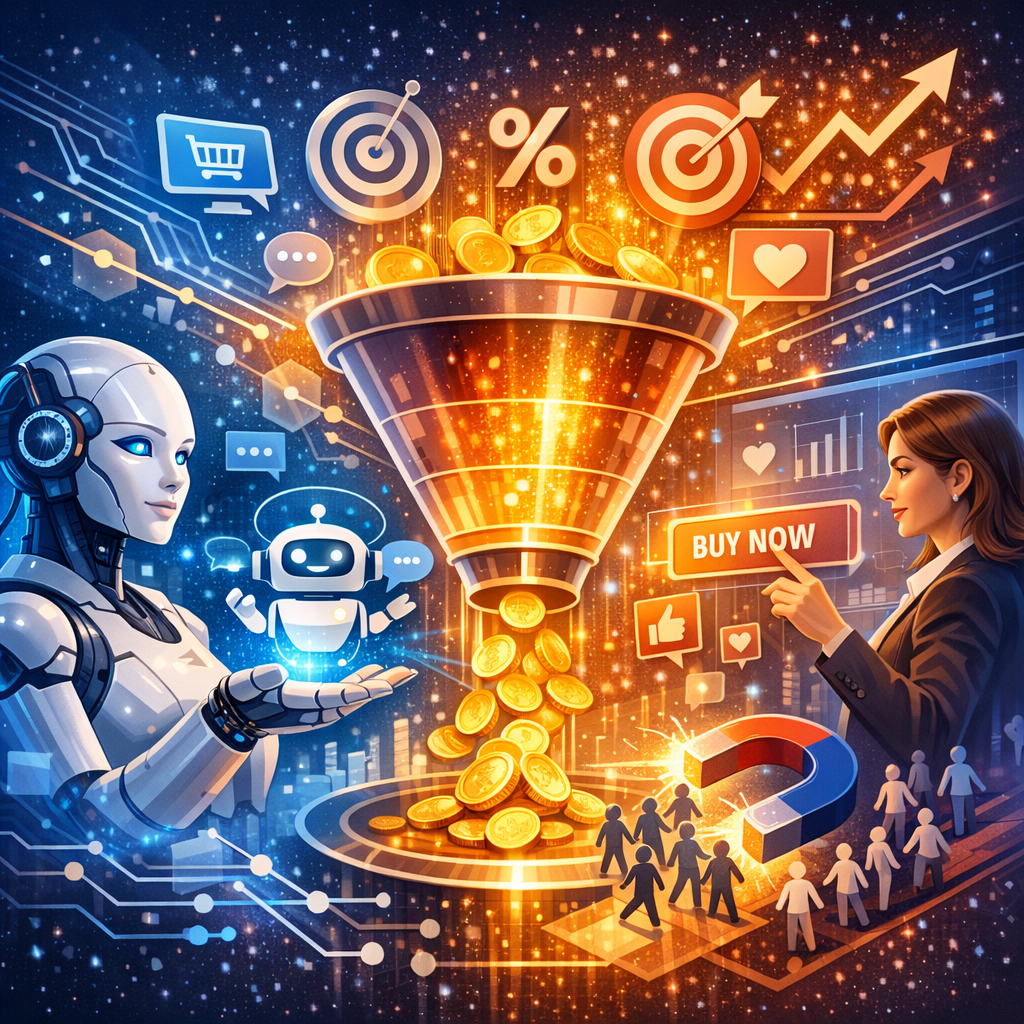
Harnessing AI for SEO: The Future of Digital Marketing Strategy
Introduction
As we navigate the ever-evolving landscape of digital marketing, C-suite executives and SEO professionals find themselves at a pivotal juncture—embracing the potential of artificial intelligence (AI) in enhancing SEO strategies. In a world where search algorithms evolve rapidly and user behavior is influenced by technological advancements, incorporating AI in SEO is no longer optional but a necessity. The integration of AI technologies offers SEO practitioners an unprecedented ability to harness data, predict search trends, and optimize content strategies at scale with granular precision.
AI’s transformative potential in SEO lies in its capacity to process vast data sets, analyze patterns, and provide actionable insights to improve visibility and ranking on search engines. The integration of machine learning models in search algorithms by leading search engines such as Google has elevated the role of AI in search engine optimization. Google’s AI algorithm, RankBrain, stands as a testament to AI’s efficacy in interpreting complex search queries and understanding the nuances of user intent beyond traditional keyword-match tactics.
The use of natural language processing (NLP) further elevates AI’s role in developing optimized content that aligns with search engine preferences and user expectations. By understanding semantics and context, AI-powered tools enable marketers to craft content that is not only optimized for keywords but is also relevant, engaging, and valuable to the target audience. The incorporation of AI-driven tools like chatbots and virtual assistants is transforming the customer interaction landscape, aiding SEO strategies by enhancing user experience and engagement rates, factors that significantly influence search engine rankings.
As market demands shift and technology advances, AI’s role in crafting nuanced SEO strategies tailored to specific business objectives will only grow. For C-suite Marketing and SEO professionals, the challenge is to stay ahead of this technological curve, ensuring that AI’s potential is effectively leveraged to drive growth, visibility, and competitive advantage in the digital sphere.
Features
The intersection of AI and SEO is not just theoretical. Several studies and professional analyses have underscored the tangible benefits AI brings to SEO practices. A pivotal study by the consulting firm PwC highlighted that 72% of business leaders identified AI as a business advantage ([PwC’s Global Artificial Intelligence Study](https://www.pwc.com/gx/en/issues/analytics/assets/pwc-ai-analysis-sizing-the-prize-report.pdf)). For SEO professionals, AI’s advantage lies in its predictive analytics capability. AI algorithms can process historical search data to forecast future trends, enabling marketers to strategically plan and optimize marketing campaigns.
Further, a study conducted by SEMrush, an authority in SEO analytics, underscores the utility of AI in automating and enhancing several aspects of SEO ([SEMrush Study on AI in SEO](https://www.semrush.com/blog/how-artificial-intelligence-is-transforming-seo/)). The study found that AI-assisted tools can increase keyword research efficiency by 50%, offering insights into long-tail keywords and emerging trends that might be overlooked through manual research. AI algorithms such as Google’s BERT (Bidirectional Encoder Representations from Transformers) have improved the understanding of context and nuance in search queries, allowing marketers to optimize content for more complex and conversational phrases that mirror human communication patterns.
In the medical domain, research by Stanford University on how AI improves content relevancy highlights AI’s ability to analyze user sentiment through NLP, which is crucial for creating authoritative and empathetic content—especially pertinent in fields that demand accuracy, like healthcare and medical advisory ([Stanford University’s Study on AI and Content Relevancy](https://stanford.edu/research/ai-improves-content-engagement)). This relevancy is increasingly important as search engines reward content that demonstrates expertise, authoritativeness, and trustworthiness (E-A-T) in search rankings.
AI-driven engines such as GPT-3 by OpenAI exemplify how AI can assist in content generation, suggesting that AI-written content can engage users as effectively as human-written content, provided it is carefully monitored and edited for accuracy ([OpenAI’s GPT-3 Engine Overview](https://openai.com/research/gpt-3)). These AI applications enable marketers to achieve a higher level of personalisation and customization, aligning content more closely with user interests while maintaining consistency and accuracy.
Conclusion
In the dynamic digital marketing arena, integrating AI into SEO strategies empowers businesses to achieve superior accuracy, efficiency, and scalability. For C-suite executives and SEO professionals, understanding and leveraging the capabilities of AI is essential to remain competitive in a rapidly evolving digital landscape. Embracing AI not only enhances operational efficiencies but also drives innovations that are set to redefine the future of SEO and digital marketing.
References
– [PwC’s Global Artificial Intelligence Study: Exploiting the AI Revolution](https://www.pwc.com/gx/en/issues/analytics/assets/pwc-ai-analysis-sizing-the-prize-report.pdf)
– [SEMrush Study on AI in SEO](https://www.semrush.com/blog/how-artificial-intelligence-is-transforming-seo/)
– [Stanford University’s Study on AI and Content Relevancy](https://stanford.edu/research/ai-improves-content-engagement)
– [OpenAI’s GPT-3 Engine Overview](https://openai.com/research/gpt-3)
Concise Summary: The integration of AI into SEO strategies is essential for business success in the digital realm. AI enhances SEO by improving data analysis, predicting search trends, and optimizing content creation. Automation and predictive analytics are key capabilities that AI provides, helping marketers efficiently target keywords and understand complex search queries. As technology advances, AI’s role in designing tailored SEO strategies becomes crucial, providing businesses with a competitive edge. The future of SEO is set to be shaped by AI, making its adoption pivotal for staying ahead in the fast-paced digital marketing environment.

Dominic E. is a passionate filmmaker navigating the exciting intersection of art and science. By day, he delves into the complexities of the human body as a full-time medical writer, meticulously translating intricate medical concepts into accessible and engaging narratives. By night, he explores the boundless realm of cinematic storytelling, crafting narratives that evoke emotion and challenge perspectives.
Film Student and Full-time Medical Writer for ContentVendor.com