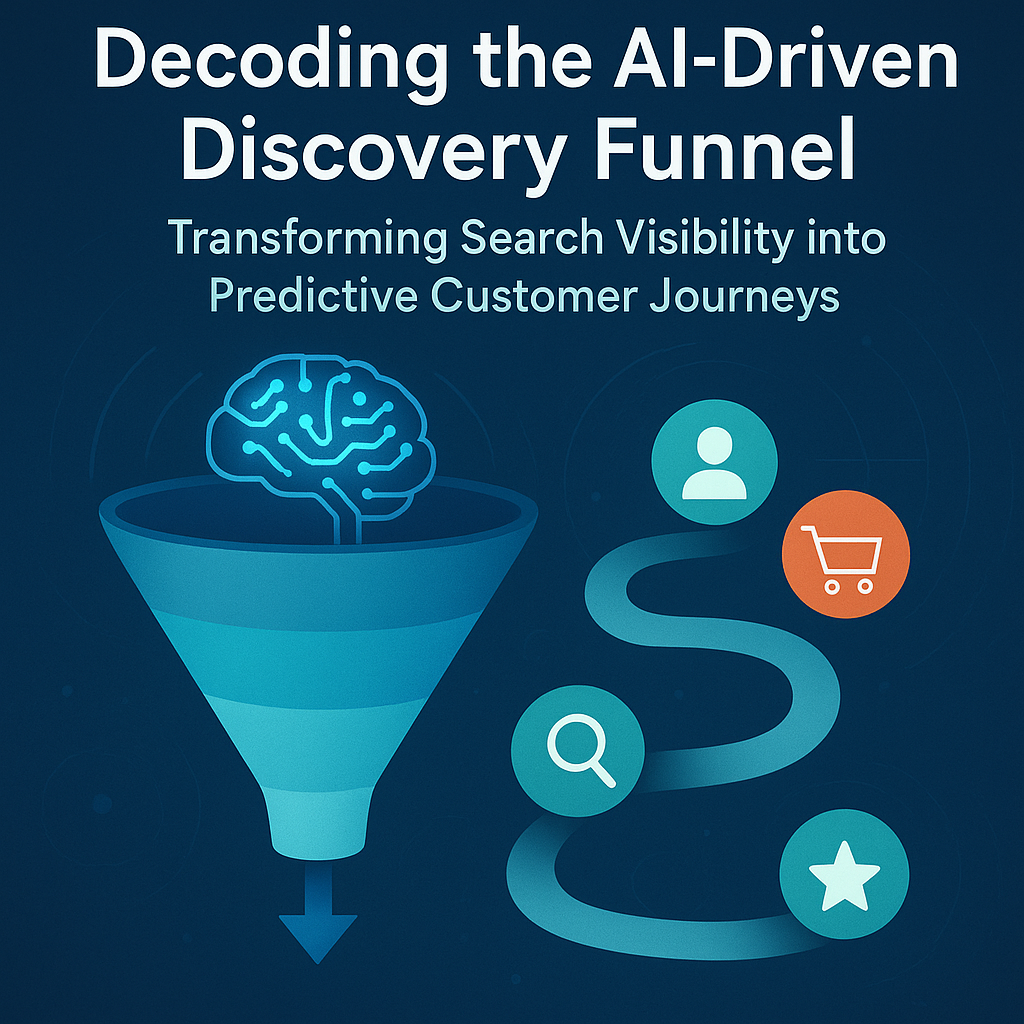
Harnessing AI and Machine Learning for SEO Success: A Strategic Guide for C-Suite Professionals
Introduction
In the rapidly evolving digital landscape, staying ahead of the competition requires innovation, adaptability, and a deep understanding of advanced technologies. Among these, Artificial Intelligence (AI) and Machine Learning (ML) have emerged as transformative forces, reshaping how businesses approach SEO (Search Engine Optimization). For C-suite marketing or SEO professionals, comprehending and leveraging these technologies can be the key to maintaining a competitive edge and driving sustained growth.
AI and ML algorithms excel in analyzing massive datasets, identifying patterns, and making predictions, which align perfectly with the requirements of modern SEO strategies. These technologies can automate repetitive tasks, enhance user experiences, and provide actionable insights that were previously unattainable. For instance, AI-driven tools can parse enormous quantities of search data, user behavior analytics, and even competitor SEO strategies to deliver precise recommendations on keywords, content optimization, and link-building opportunities.
Moreover, AI in SEO addresses the challenges of personalization at scale. By utilizing AI-driven insights, marketers can tailor content and user experiences to individual audience preferences, increasing engagement and conversion rates. This is particularly significant in an era where personalized experiences can define customer loyalty and brand success.
However, the implementation of AI and ML in SEO is not just about adopting new software or tools. It requires an organizational commitment to data-driven decision-making, supported by a culture that values continual learning and adaptation. SEO professionals in leadership roles must not only endorse the integration of these technologies but also steer their teams through the transition, ensuring that team members are skilled in interpreting AI outputs and making informed strategy decisions.
This article explores the profound impact of AI and ML on SEO, examining professional studies and industry applications that highlight their capabilities. By understanding these dynamics, C-suite executives can make strategic decisions that position their companies at the forefront of digital marketing innovation.
Features
The utility of AI and ML in SEO has been validated by numerous professional studies, showcasing their potential to enhance search engine algorithms and optimize marketing efforts. A significant study by the McKinsey Global Institute titled “Artificial Intelligence: The Next Digital Frontier?” highlights the extensive benefits AI brings to marketing domains, forecasting a potential increase of up to 20% in organizational performance for those adopting these technologies. For more information, visit [McKinsey Global Institute](https://www.mckinsey.com/featured-insights/artificial-intelligence).
Moreover, research published by the Harvard Business Review explores how AI-powered analytics improve user engagement by offering insights that drive more accurate content curation and distribution strategies. This study emphasizes how machine learning models can predict user interaction patterns, enabling marketers to adjust their SEO strategies in real-time to align with changing consumer behaviors. Learn more at [Harvard Business Review](https://hbr.org).
In a more targeted SEO context, a whitepaper from BrightEdge explores AI applications in SEO, detailing how machine learning can enhance search rankings. The report describes AI’s role in parsing search environment data—such as changes in search engine algorithms—and providing tailored SEO strategies that adapt to these shifts, ensuring sustained visibility and relevancy. Read the full whitepaper at [BrightEdge](https://www.brightedge.com/resources/webinars/ai-and-the-future-of-seo).
Furthermore, according to a Moz study, AI systems can significantly improve search intent analysis, leading to better keyword targeting and content alignment. By automating the analysis of search queries and user intent, AI assists in creating content that not only matches user expectations but also ranks higher in search results. More details can be found at [Moz](https://moz.com).
The application of machine learning in customer analytics also supports SEO by enhancing the personalization aspect, as another study from Gartner shows. By leveraging algorithms that process and learn from user behavior data, businesses can create hyper-personalized marketing strategies that resonate deeply with target audiences, boosting engagement and retention. Learn about this study at [Gartner](https://www.gartner.com).
Conclusion
As AI and ML continue to evolve, their integration into SEO strategies presents a compelling case for C-suite marketing and SEO professionals. By embracing these technologies, companies can realize significant improvements in efficiency, user engagement, and overall marketing performance. The future of SEO will undoubtedly be shaped by these advancements, and those who harness their potential will lead the digital space. To remain competitive, businesses must not only adopt AI and ML tools but also foster an organizational culture that supports continuous learning and innovation.
References
1. [McKinsey Global Institute: Artificial Intelligence: The Next Digital Frontier?](https://www.mckinsey.com/featured-insights/artificial-intelligence)
2. [Harvard Business Review: How AI-Powered Analytics Are Transforming Marketing](https://hbr.org)
3. [BrightEdge: AI and the Future of SEO](https://www.brightedge.com/resources/webinars/ai-and-the-future-of-seo)
4. [Moz: The Impact of AI on SEO](https://moz.com)
5. [Gartner: Machine Learning and Customer Analytics](https://www.gartner.com)
Concise Summary:
The article highlights how AI and ML are revolutionizing SEO by analyzing large datasets, automating tasks, and enhancing user experiences. AI enables personalization at scale, essential for modern marketing success. Implementing these technologies requires a data-driven organizational culture. Professional studies demonstrate AI’s impact on search engine strategies, content optimization, and personalization. C-suite executives must embrace this innovation to maintain a competitive edge and drive digital marketing growth. Integrating AI in SEO ensures improved efficiency, user engagement, and adaptability to evolving trends, positioning companies at the forefront of digital marketing advancements.

Dominic E. is a passionate filmmaker navigating the exciting intersection of art and science. By day, he delves into the complexities of the human body as a full-time medical writer, meticulously translating intricate medical concepts into accessible and engaging narratives. By night, he explores the boundless realm of cinematic storytelling, crafting narratives that evoke emotion and challenge perspectives.
Film Student and Full-time Medical Writer for ContentVendor.com