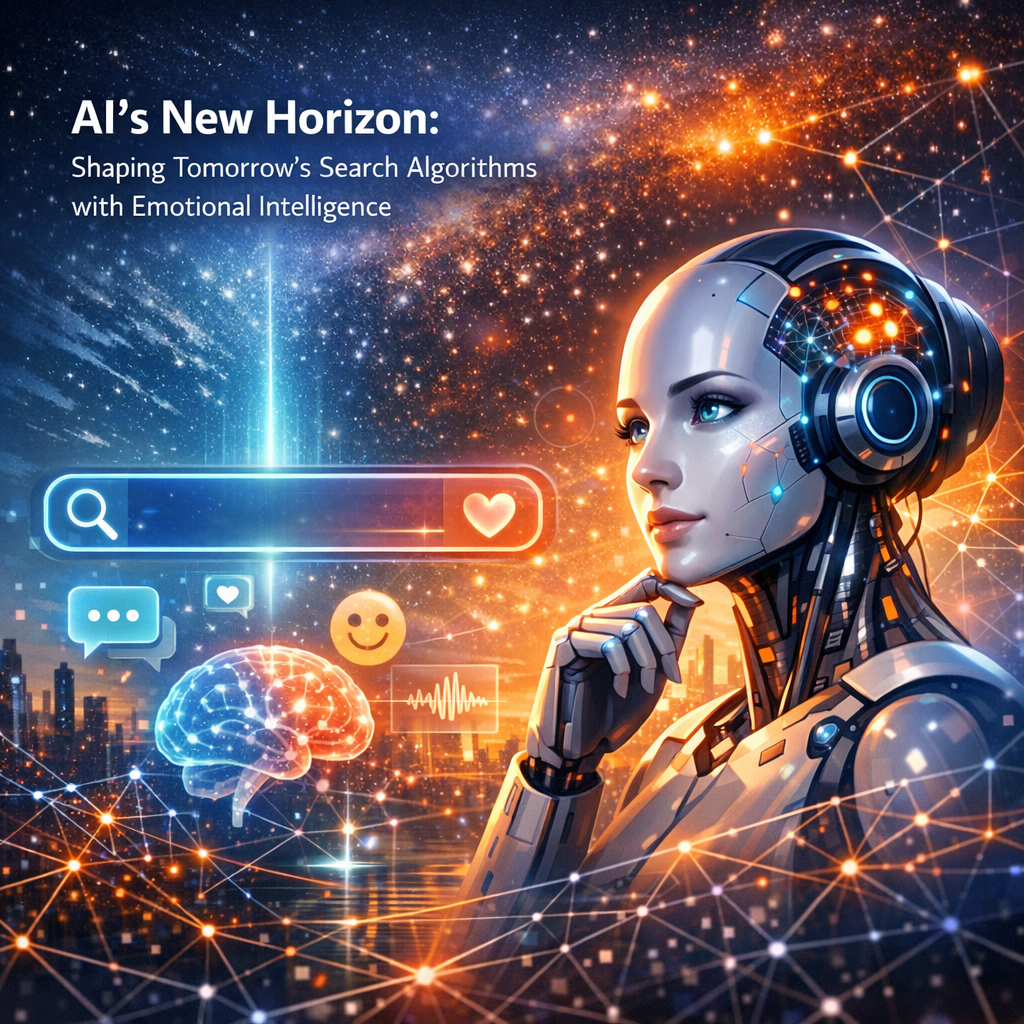
Enhancing SEO Through Artificial Intelligence: A Game-Changer for C-Suite Professionals
Introduction
In the rapidly evolving digital landscape, staying at the forefront of search engine optimization (SEO) has become more crucial than ever for businesses aiming to achieve a competitive edge. For C-suite marketing and SEO professionals, understanding how technological advancements can drive strategy is key to maintaining relevance and ensuring growth. One of the most transformative technologies impacting SEO today is artificial intelligence (AI). This powerful tool is not only reshaping how businesses approach SEO but also redefining consumer engagement, content creation, and data analysis.
AI’s ability to process vast amounts of data with speed and precision significantly enhances the effectiveness of SEO strategies. By leveraging AI technologies, companies can achieve a more nuanced understanding of consumer behavior and search intent. This, in turn, allows for the generation of highly personalized content that speaks directly to a potential customer’s needs and interests. Additionally, AI’s predictive capabilities enable marketers to anticipate changes in search algorithms, ensuring that a brand’s content remains optimized and relevant.
For C-suite professionals, integrating AI into their SEO strategy is no longer an option but a necessity. Embracing AI-driven tools can result in higher search rankings, better customer insights, and an overall improved digital experience for users. Moreover, AI’s role in streamlining processes and improving decision-making efficiency is invaluable for marketing leaders focused on steering their organizations toward successful digital transformation. As the digital marketplace grows more competitive, those who effectively harness the power of AI in their SEO efforts will undoubtedly set themselves apart from the competition.
Features
Recent studies have underscored the significant impact AI can have on SEO performance. According to a [report by PwC](https://www.pwc.com/gx/en/issues/analytics/assets/pwc-ai-analysis-sizing-the-prize-report.pdf), AI could contribute up to $15.7 trillion to the global economy by 2030, with a sizable portion attributed to productivity gains in the marketing and advertising sectors. This indicates that early adopters of AI in SEO are likely to experience substantial benefits, both in terms of revenue growth and market positioning.
One of the key areas where AI is making waves is in keyword analysis and content optimization. A [study published in the Journal of Internet Commerce](https://www.tandfonline.com/doi/full/10.1080/15332861.2020.1829859) highlights AI’s ability to enhance keyword accuracy, which is crucial for improving organic search rankings. By using machine learning algorithms, marketing professionals can identify hidden patterns and correlations in consumer search behavior, thereby refining their keyword strategies with precision and scalability.
Furthermore, AI has proven essential in improving user experience (UX), a fundamental component of SEO success. According to [research from Forrester](https://go.forrester.com/blogs/the-ai-revolution-in-customer-experience-0/), businesses that integrate AI into their UX strategies report improved customer satisfaction rates and greater loyalty. As search engines continue to prioritize UX as a ranking factor, AI-driven enhancements such as chatbots, personalized content recommendations, and optimized site navigation are becoming indispensable for SEO professionals aiming to boost engagement and conversion rates.
Additionally, AI’s role in predictive analytics is becoming increasingly relevant for SEO professionals. A [study by Gartner](https://www.gartner.com/en/newsroom/press-releases/2019-04-24-gartner-says-early-use-of-ai-glimpses-its-transformative-potential) forecasts that in the near future, AI will be integral to identifying market trends and consumer preferences before they become mainstream. This predictive capability enables marketing leaders to create foresight-driven strategies, allowing businesses to stay ahead of the curve and align their content with evolving consumer demands.
Conclusion
For C-suite marketing and SEO professionals, embracing the potential of AI is essential to remaining competitive in the digital age. As AI continues to revolutionize SEO practices, those who adapt and integrate these technologies into their strategies will undoubtedly reap the benefits of improved performance, higher rankings, and deeper consumer connections. By understanding AI’s transformative power, leaders can drive their organizations forward, ensuring sustained success in an increasingly digital world.
Summary
Artificial intelligence (AI) is transforming search engine optimization (SEO) by enhancing data processing, refining content personalization, and predicting changes in search algorithms. For C-suite professionals, integrating AI is crucial to maintaining competitive advantage and driving digital transformation. AI’s impact spans keyword analysis, user experience, and predictive analytics, with studies indicating substantial economic contributions. Early adopters of AI in SEO can expect revenue growth and improved market positioning. As digital competition intensifies, leveraging AI in SEO will help companies achieve higher search rankings, better customer insights, and an overall improved digital user experience.

Dominic E. is a passionate filmmaker navigating the exciting intersection of art and science. By day, he delves into the complexities of the human body as a full-time medical writer, meticulously translating intricate medical concepts into accessible and engaging narratives. By night, he explores the boundless realm of cinematic storytelling, crafting narratives that evoke emotion and challenge perspectives.
Film Student and Full-time Medical Writer for ContentVendor.com