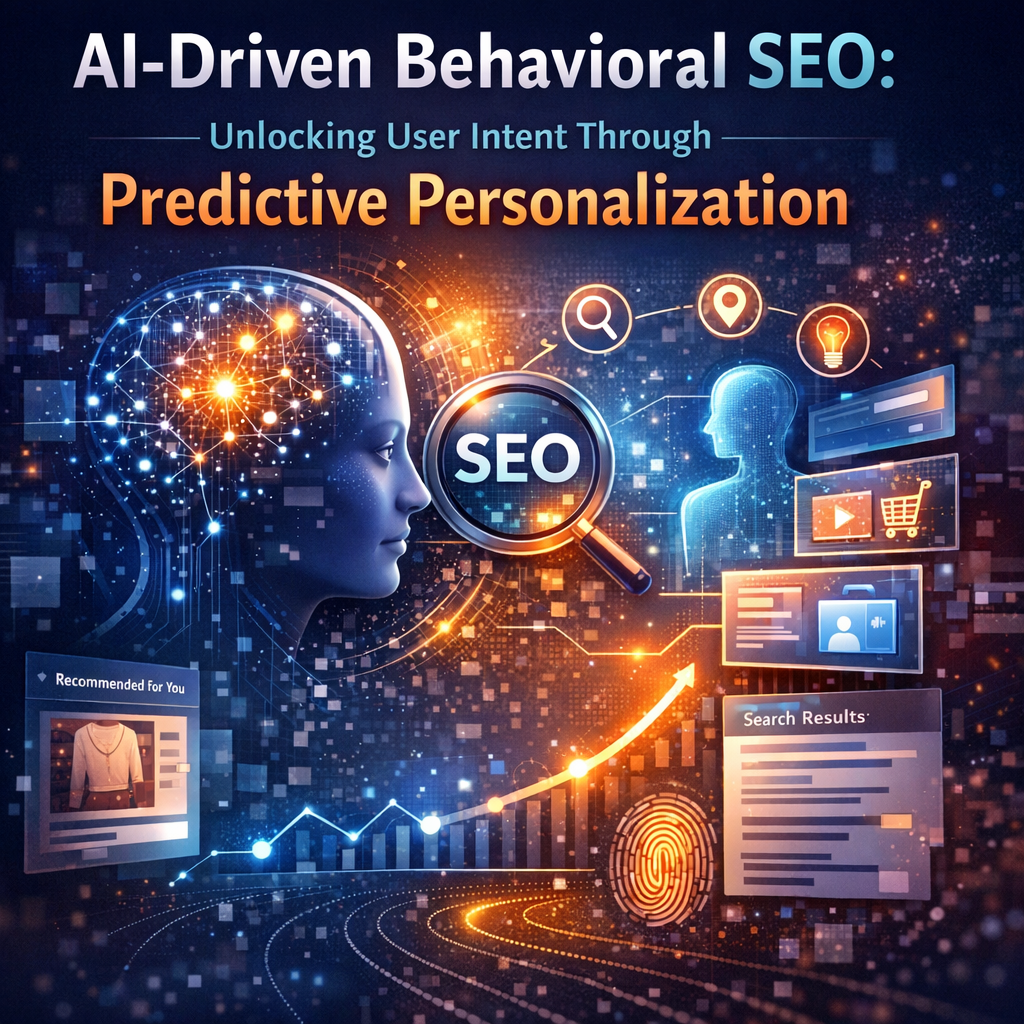
The Evolving Role of AI in SEO: What C-Suite Marketing and SEO Professionals Need to Know
Topic Introduction:
In the rapidly changing landscape of digital marketing, artificial intelligence (AI) is no longer just a buzzword—it’s a reality that’s reshaping how companies approach SEO. As C-suite marketing and SEO professionals, understanding the evolving role of AI in SEO is crucial for maintaining a competitive edge. AI technologies are being deployed to predict search trends, personalize user experiences, and optimize website analytics, among other uses.
The impact of AI on SEO is profound. Machine learning algorithms can analyze vast amounts of data far more efficiently than human researchers, enabling businesses to uncover patterns and insights that were previously invisible. This is particularly useful in keyword analysis, where AI can predict user queries and automate content creation to match these evolving trends. AI-driven tools like Google’s BERT (Bidirectional Encoder Representations from Transformers) have made understanding the context of user searches more nuanced and precise. As AI continues to advance, it holds the potential to revolutionize not only how SEO experts perform keyword research, but also how they strategize content placement and link building.
Moreover, AI helps in enhancing user experiences through personalization. By analyzing user behavior, AI can predict and deliver content that meets the individual preferences of users. This creates more engaging experiences that can lead to higher conversion rates. For C-suite executives and SEO strategists, integrating AI-driven solutions means more than just staying relevant—it means setting the stage for future growth by harnessing technology to predict trends, optimize content, and ultimately enhance brand visibility.
As AI continues to evolve, its integration into SEO practices will become deeper and more sophisticated. C-suite leaders must consider how these changes will mesh with current marketing strategies and the potential resource shifts needed to harness AI technology effectively. The journey involves embracing continuous learning, investing in appropriate technologies, and driving organizational change to remain at the forefront of a constantly evolving digital marketing ecosystem.
Features:
AI in SEO has attracted significant attention from both academia and industry professionals due to its potential to revolutionize traditional practices. Several studies highlight the transformative impact AI is having on SEO strategies.
One pertinent study published in the journal [Artificial Intelligence Review](https://link.springer.com/journal/10462) examines how machine learning algorithms can predict SEO success. The study demonstrates that AI can process and analyze SEO data at a scale and speed unattainable for human analysts, providing insights into what changes can improve search ranking.
Similarly, research from [Stanford University](https://plato.stanford.edu/) has explored how AI tools like Google’s RankBrain—a machine learning-based component of Google’s algorithm—are now integral to processing search queries and understanding the user intent behind them. This research suggests that the use of AI in understanding and predicting user behavior is becoming increasingly precise, leading to more accurate and relevant search engine results.
Moreover, studies from the [Journal of Marketing Research](https://journals.sagepub.com/home/mrj) indicate that AI-fueled personalization efforts have significantly boosted engagement and conversion rates. By utilizing AI to track and analyze user data, businesses can deliver highly personalized content that resonates with users’ current needs and interests, thereby increasing the chances of engagement and conversions.
The utilization of AI in SEO extends beyond just keyword optimization and user intent prediction. With AI, marketers can automate content curation, predict content performance, and even generate ideas for new content based on trending topics and user interests. AI-driven platforms like [MarketMuse](https://www.marketmuse.com/) and [Clearscope](https://www.clearscope.io/) analyze existing content and suggest improvements that can optimize it for search engines.
These studies underline a critical takeaway for C-suite leaders: integrating AI into their SEO strategies is not merely an optional advancement; it’s a necessity for maintaining relevance and achieving growth in today’s digital landscape.
Conclusion:
As AI technology continues to evolve, its impact on SEO is set to become even more pronounced. For C-suite marketing and SEO professionals, understanding and leveraging AI within their strategies will prove pivotal in driving growth and maintaining a competitive edge. By embracing AI-driven tools and techniques, companies can ensure they not only keep pace with technological advancements but also position themselves at the forefront of the digital marketing landscape.
References:
1. [Artificial Intelligence Review](https://link.springer.com/journal/10462)
2. [Stanford University](https://plato.stanford.edu/)
3. [Journal of Marketing Research](https://journals.sagepub.com/home/mrj)
4. [MarketMuse](https://www.marketmuse.com/)
5. [Clearscope](https://www.clearscope.io/)
Concise Summary:
The integration of artificial intelligence (AI) in SEO is transforming digital marketing by enhancing data analysis, predicting user behavior, and personalizing user experiences. AI technologies like machine learning allow businesses to streamline keyword analysis and content optimization, resulting in improved search rankings and user engagement. Studies emphasize the necessity for C-suite leaders to integrate AI into their strategies to remain competitive and foster growth. By adopting AI-driven solutions, companies can predict trends, optimize content, and enhance brand visibility, ensuring they are at the forefront of the evolving digital marketing environment.

Dominic E. is a passionate filmmaker navigating the exciting intersection of art and science. By day, he delves into the complexities of the human body as a full-time medical writer, meticulously translating intricate medical concepts into accessible and engaging narratives. By night, he explores the boundless realm of cinematic storytelling, crafting narratives that evoke emotion and challenge perspectives.
Film Student and Full-time Medical Writer for ContentVendor.com