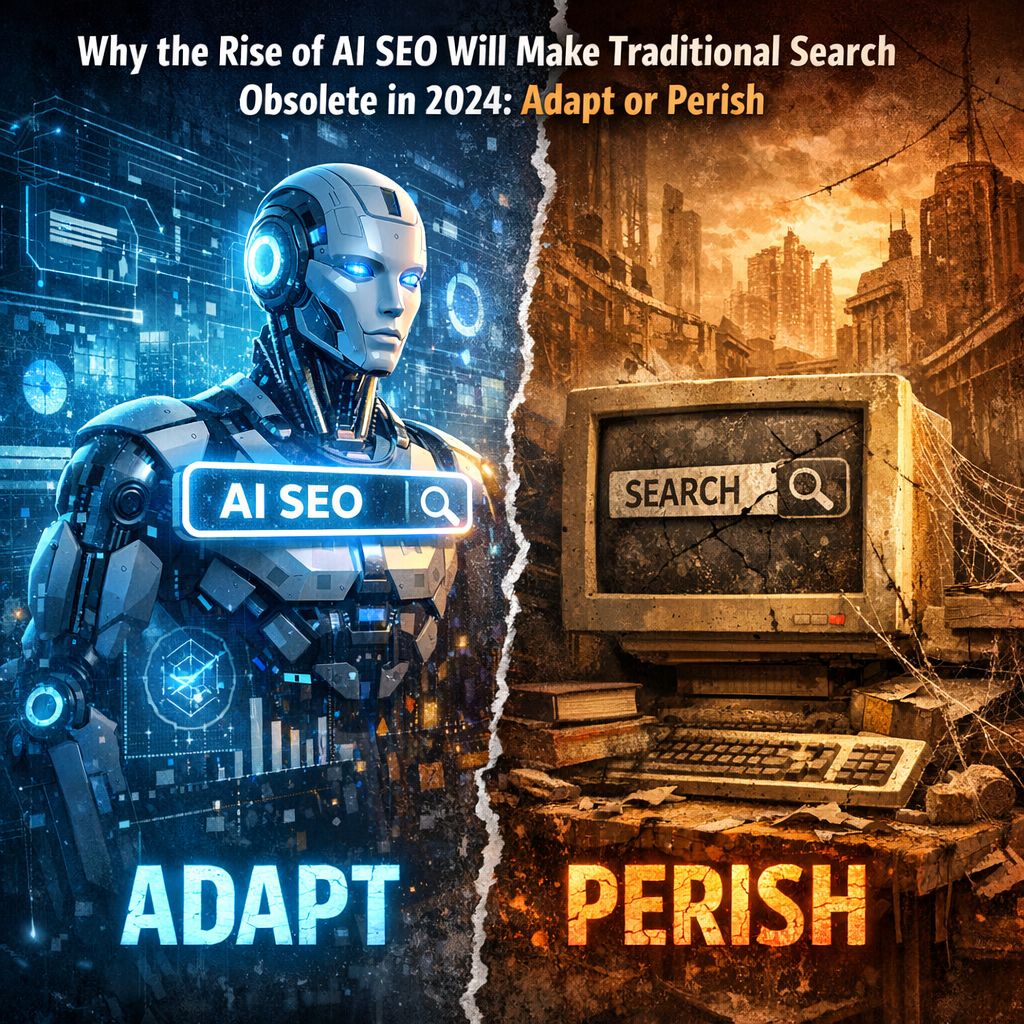
Harnessing AI and Machine Learning for Enhanced SEO Strategies
Introduction
In today’s fast-evolving digital landscape, the role of Search Engine Optimization (SEO) has become more critical than ever. As businesses compete for visibility and client acquisition in an increasingly competitive market, traditional SEO practices are proving inadequate to meet modern challenges. Enter Artificial Intelligence (AI) and Machine Learning (ML), groundbreaking technologies revolutionizing how we understand and implement SEO strategies.
AI and ML are pervasive across industries, from automating mundane tasks to making impactful decisions based on complex datasets. In the SEO domain, these technologies are used to improve search rankings, enhance user experience, and maximize content visibility. For C-suite marketing and SEO professionals, understanding these technologies’ implications and applications can offer a significant competitive edge.
AI allows for deeper insights into consumer behavior by analyzing larger volumes of data far more efficiently than a human could. It can predict trends and personalize search results based on user habits, creating more tailored experiences. ML, on the other hand, enables systems to learn from previous data sets, refining strategies and making improvements without human intervention.
Algorithms like Google’s RankBrain use AI to better understand search queries, delivering results that are contextually relevant and user-centered. These advancements make it imperative for businesses to integrate AI and ML into their current SEO strategies.
Incorporating AI tools in SEO involves everything from using chatbots to optimize communication channels to employing sophisticated analytics to enhance decision-making processes. For instance, content creation can now be driven by AI tools that identify trending topics, optimize keywords, and even suggest the best times to publish new content for maximum engagement. This represents a fundamental shift from the more manual, traditional methods of doing SEO.
As AI and ML continue to evolve, they stand to disrupt conventional SEO practices further. Anticipating these changes and adapting strategies proactively will be crucial for marketing leaders aiming to stay at the forefront of the digital space.
Features
The application of AI and ML in SEO is supported by extensive research and numerous studies highlighting its impact. A notable study by [BrightEdge](https://www.brightedge.com/blog/ai-in-seo) found that over 60% of digital marketers consider AI a vital part of their strategy. The report highlights how businesses leveraging AI and ML see trends emerge much earlier than their competitors, providing them with the data necessary to adjust strategies effectively.
Additionally, a study published in the Journal of Internet and Digital Marketing reported significant improvements in customer engagement and user satisfaction through AI-augmented SEO approaches. The [study](https://www.researchgate.net/publication/336783947_Study_on_Modern_Short-Hours_Internet_Procedures_of_Marketing_Using_Machine_Learning_Strategies) highlighted that personalized user experiences, driven by AI, result in higher retention rates and improved brand loyalty.
From a technical perspective, AI and ML assist in processing natural language, a feature content creators and SEO practitioners can capitalize on to tailor content that resonates with human-like logic. For example, Google’s AI tool BERT (Bidirectional Encoder Representations from Transformers) leverages ML to understand the context of words in search queries, thus improving the search engine’s ability to interpret and process natural language.
Moreover, AI is also being used to optimize backlink strategies. Modern algorithms can analyze the quality and relevance of backlink sources more quickly, effectively weeding out low-quality links and avoiding penalties from association with spammy sites. This redefines link-building practices into a more sophisticated and beneficial facet of SEO strategy.
Finally, AI-driven predictive analytics can help foresee customer trends and behaviors, effectively enabling businesses to tailor their content strategies long before their competitors catch up. Thus, the application of AI and ML in SEO enhances search engine rankings and enriches the customer journey, providing a more cohesive and personalized interaction with the brand.
Conclusion
The integration of AI and ML into SEO strategies is no longer optional—it is essential. As these technologies progress, they are set to redefine the landscape of digital marketing, encouraging businesses to adapt and innovate continuously. Embracing AI and ML boosts the effectiveness and efficiency of SEO efforts and provides businesses with a competitive edge by delivering deeper insights and improved engagement. Staying ahead in the digital race requires investment and commitment to these cutting-edge technologies.
Concise Summary
In the digital era, AI and ML have become indispensable tools for transforming SEO strategies. These technologies provide C-suite marketers with deeper consumer insights and predictive analytics for anticipating trends. Studies indicate that businesses using AI gain a significant competitive edge, improving customer engagement and brand loyalty. AI tools like Google’s BERT and RankBrain revolutionize search by interpreting queries with human-like logic, enhancing user experiences. The adoption of AI in SEO is essential for developing sophisticated content, adaptive strategies, and robust link-building, recalibrating digital marketing toward efficiency and engagement.

Dominic E. is a passionate filmmaker navigating the exciting intersection of art and science. By day, he delves into the complexities of the human body as a full-time medical writer, meticulously translating intricate medical concepts into accessible and engaging narratives. By night, he explores the boundless realm of cinematic storytelling, crafting narratives that evoke emotion and challenge perspectives.
Film Student and Full-time Medical Writer for ContentVendor.com