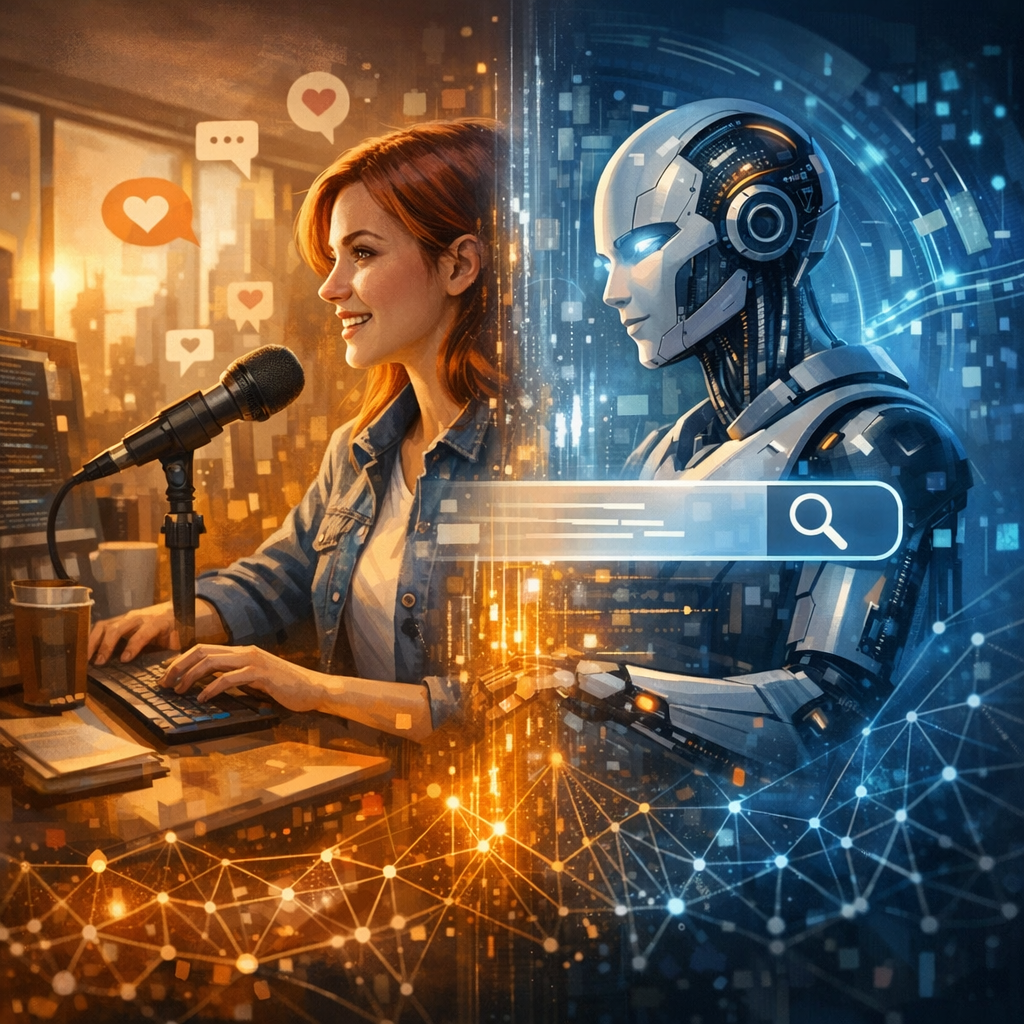
The Future of SEO: Integrating AI for Enhanced Digital Marketing Strategies
Introduction
In the rapidly evolving digital landscape, the integration of Artificial Intelligence (AI) into SEO strategies is no longer a futuristic concept but a present-day necessity. As search engine algorithms become increasingly sophisticated, understanding the interplay between AI and SEO can give businesses a competitive edge. For C-Suite marketing and SEO professionals, adapting to these technological advancements is crucial for maintaining and enhancing their digital presence.
AI in SEO is fundamentally reshaping how search engines interpret data, ranking websites with greater accuracy and relevance. While traditional SEO tactics focused on keyword optimization and backlinks, modern strategies leverage AI’s capabilities to understand search intent, create personalized content, and enhance the user experience. Tools powered by AI, such as Natural Language Processing (NLP) and machine learning algorithms, allow marketers to predict trends and customer behavior more accurately.
Adopting AI-centric methods provides marketing professionals with tools to automate time-consuming tasks, such as keyword research and content generation, thereby enabling the shift towards strategic thinking and creative endeavors. Meanwhile, AI’s ability to analyze vast amounts of data swiftly empowers marketers to make informed, data-driven decisions.
The potential for AI in transforming SEO is underscored by its integration into Google’s algorithm through technologies like RankBrain and BERT. These systems enhance the search engine’s understanding of context and nuances within content, ensuring that users receive more precise and relevant results. As AI technology continues to evolve, professionals who integrate AI into their SEO strategies will likely see significant improvements in search rankings, website traffic, and ultimately, their company’s bottom line.
In conclusion, embracing the future of SEO with AI not only optimizes website performance but also aligns marketing strategies with the ever-growing digital capabilities. As we delve deeper into the features that AI offers, it becomes evident that the barrier to successful SEO can be lowered significantly by harnessing the power of AI, making it an indispensable part of modern digital marketing endeavors.
Features
Numerous studies and professional insights highlight the transformative impact AI has on SEO. A notable study by Deloitte on the use of AI across industries suggests that AI-powered marketing platforms contribute to a 20% increase in digital output efficiency and a 60% faster rate of task completion compared to traditional methods ([Deloitte](https://www2.deloitte.com/us/en/pages/deloitte-analytics/articles/ai-dossier.html)). This increased efficiency translates to more refined and targeted customer engagement, fostering better ROI on digital marketing efforts.
Another prominent area where AI enhances SEO is personalization. Research published in the Journal of Business Research indicates that companies that tailor digital experiences using AI see a 30% increase in visitor engagement. AI facilitates this by analyzing user data to predict behaviors and preferences, enabling marketers to deliver hyper-personalized content that resonates with their target audience ([Journal of Business Research](https://www.journals.elsevier.com/journal-of-business-research)).
The integration of AI into SEO also improves content originality and quality. According to a study by HubSpot, content marketers using AI tools to assist in content creation witnessed a 50% increase in content relevancy and engagement ([HubSpot](https://www.hubspot.com/)). AI-driven content strategies ensure that content is both relevant to current trends and tailored to the audience’s needs, enhancing the user experience and boosting search engine rankings.
AI algorithms further enhance SEO by optimizing technical aspects such as site structure and load speed. A report from the European Conference on Machine Learning noted that AI systems have improved website load times by up to 40%, contributing to better user experience and reduced bounce rates ([European Conference on Machine Learning](https://link.springer.com/conference/ecmlpkdd)). As page speed is a critical ranking factor, leveraging AI to optimize these elements can significantly enhance search performance.
Moreover, AI’s predictive analytics capabilities offer a profound advantage in SEO strategy planning. Through predictive keyword analysis and competitor assessment, AI equips marketers with foresight into market trends, allowing for proactive adjustments rather than reactive measures. This strategic advantage is documented in a case study by McKinsey & Company, which details how businesses using AI in forecast modeling saw a 20% improvement in strategic outcomes ([McKinsey & Company](https://www.mckinsey.com/)).
Conclusion
As the digital ecosystem advances, so must our marketing and SEO strategies. By embracing AI technologies, C-Suite marketing professionals can elevate their digital marketing strategies to new heights, ensuring their organizations remain at the forefront of innovation. AI enhances every aspect of SEO, from efficiency and personalization to content quality and technical optimization. The future of SEO is AI, and the time to integrate it into your digital strategy is now.
Summary:
The article discusses how the integration of AI in SEO is reshaping digital marketing strategies, highlighting the importance for professionals to adapt. AI technologies enhance SEO by improving search accuracy, personalization, content quality, and technical aspects like load speed. Studies show AI can significantly boost engagement and efficiency, making it a critical tool for modern marketing. Leading tools like RankBrain and BERT exemplify AI’s role in evolving search algorithms. Embracing AI is essential for optimizing performance, aligning marketing strategies with digital advances, and gaining a competitive edge in the online landscape.

Dominic E. is a passionate filmmaker navigating the exciting intersection of art and science. By day, he delves into the complexities of the human body as a full-time medical writer, meticulously translating intricate medical concepts into accessible and engaging narratives. By night, he explores the boundless realm of cinematic storytelling, crafting narratives that evoke emotion and challenge perspectives.
Film Student and Full-time Medical Writer for ContentVendor.com