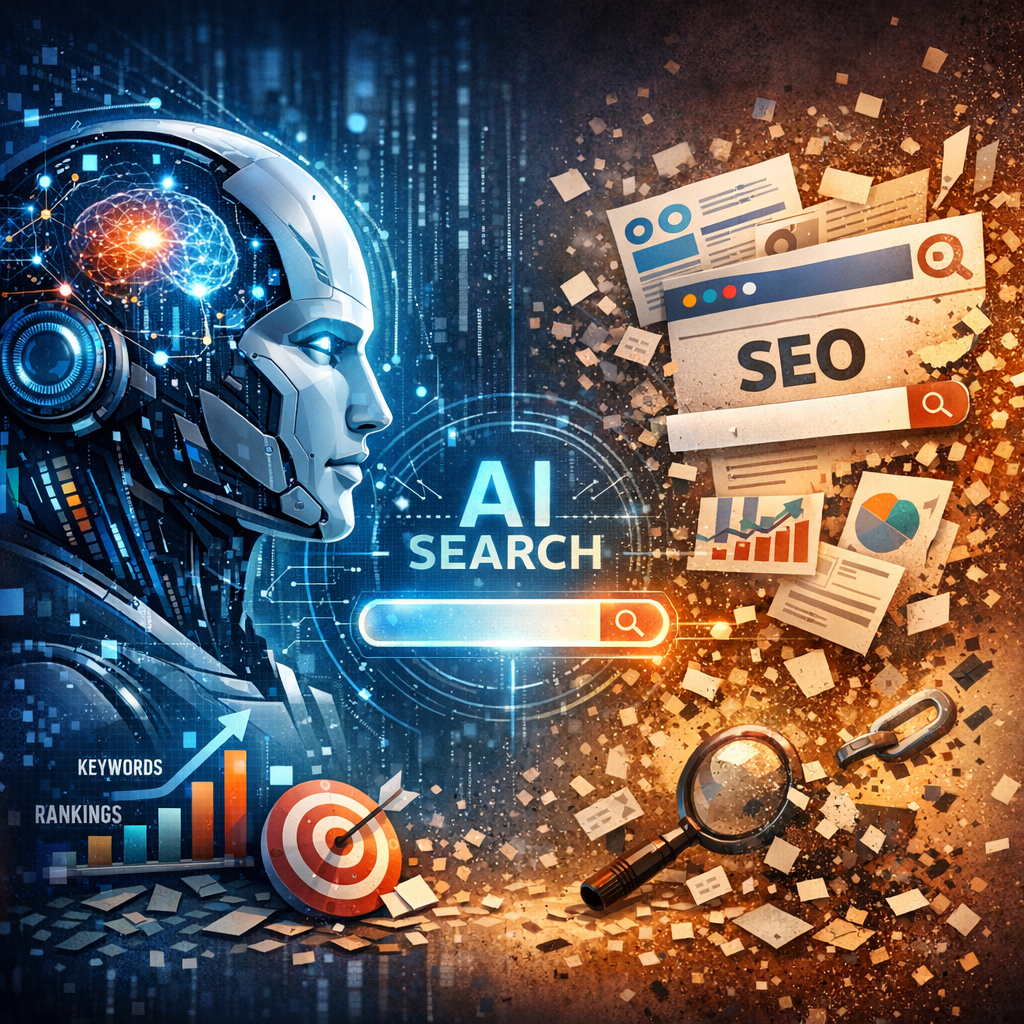
Harnessing AI-Driven SEO for Maximum Impact in C-Suite Marketing Strategies
Introduction
In the constantly evolving digital landscape, maximizing the impact of SEO strategies is paramount for companies looking to maintain competitiveness. For C-suite marketing professionals, understanding the nuances of AI-driven SEO is no longer optional—it’s essential. As consumers increasingly rely on search engines to inform their purchasing decisions, SEO has moved beyond keyword stuffing to a more sophisticated strategy that aligns with user intent and experience. This shift is largely driven by advancements in artificial intelligence (AI), which are reshaping how search algorithms work and, consequently, how businesses approach SEO.
AI technologies, such as machine learning, natural language processing, and data analytics, are now integral to search engines like Google. These technologies enable a deeper understanding of user behavior and search intent, allowing firms to develop highly targeted and personalized content. For instance, Google’s AI-driven RankBrain algorithm continually adjusts search results in real-time based on user interaction data. This means traditional SEO tactics are increasingly becoming obsolete, replaced by approaches that leverage AI to predict trends, personalize content, and ultimately rank higher in search results.
For C-suite executives, the adoption of AI-driven SEO promises not only improved search rankings but also enhanced customer engagement and conversion rates. By analyzing vast amounts of data, AI tools can identify patterns and insights into consumer behavior, enabling marketers to craft more effective campaigns. Moreover, AI can automate repetitive SEO tasks, freeing up valuable time and resources for strategic decision-making.
However, integrating AI into SEO strategies involves challenges such as data privacy concerns and the need for continual learning as AI technologies advance. Despite these challenges, companies that effectively harness AI-driven SEO stand to benefit significantly, gaining a competitive edge in digital marketing.
Features
Recent studies emphasize the impact of AI on improving SEO outcomes. A study by McKinsey & Company highlighted that businesses integrating AI into their marketing and sales operations achieve revenue increases of 10% and cost reductions of up to 20% over those that don’t. This indicates the critical role of AI in optimizing marketing strategies, including SEO.
Furthermore, AI-driven SEO tools like MarketMuse and Clearscope utilize machine learning to analyze top-ranking pages and suggest content improvements. Such tools enhance content relevance and readability, crucial factors for user engagement. A study published in the [Journal of Medical Internet Research](https://www.jmir.org/2020/9/e16658/) explored the application of AI in healthcare SEO, demonstrating improved patient engagement via personalized content and suggesting broader implications for industries seeking to tailor SEO strategies using AI.
From a technical perspective, AI’s ability to automate and refine keyword research significantly enhances SEO effectiveness. Automated tools can process vast keyword datasets to identify optimal terms that align with user intent more accurately than manual methods. This not only improves search engine rankings but also ensures that content resonates with targeted audiences, thereby increasing the likelihood of conversion.
Additionally, AI’s capabilities in analyzing visual content cannot be understated. AI tools like Google Vision AI enhance visual search results, categorizing and contextualizing image content in ways that improve both user experience and SEO outcomes. This is particularly relevant in an era where visual content consumption is surging.
Conclusion
As digital marketing continues to shift, AI-driven SEO represents a powerful opportunity for C-suite executives to lead their businesses into the future. By embracing AI technologies, companies can not only enhance their search rankings but also foster deeper connections with customers through personalized, data-driven content. While challenges such as privacy concerns must be navigated carefully, the rewards of effectively integrating AI into SEO strategies are undeniable, making it an indispensable tool in the contemporary marketer’s arsenal.
Concise Summary
The integration of AI-driven SEO in marketing strategies is crucial for companies in the digital landscape. By leveraging AI technologies such as machine learning and natural language processing, businesses can enhance consumer engagement and conversion rates through tailored, data-driven content. AI tools streamline keyword research, optimize user intent, and improve visual content analysis, providing a notable edge in search rankings. Although challenges like data privacy exist, companies utilizing AI-driven SEO effectively can gain significant advantages, enhancing competitiveness and ensuring deeper customer connections.
References
– [McKinsey Digital](https://www.mckinsey.com/business-functions/mckinsey-digital/our-insights)
– [JMIR Publications](https://www.jmir.org/2020/9/e16658/)

Dominic E. is a passionate filmmaker navigating the exciting intersection of art and science. By day, he delves into the complexities of the human body as a full-time medical writer, meticulously translating intricate medical concepts into accessible and engaging narratives. By night, he explores the boundless realm of cinematic storytelling, crafting narratives that evoke emotion and challenge perspectives.
Film Student and Full-time Medical Writer for ContentVendor.com