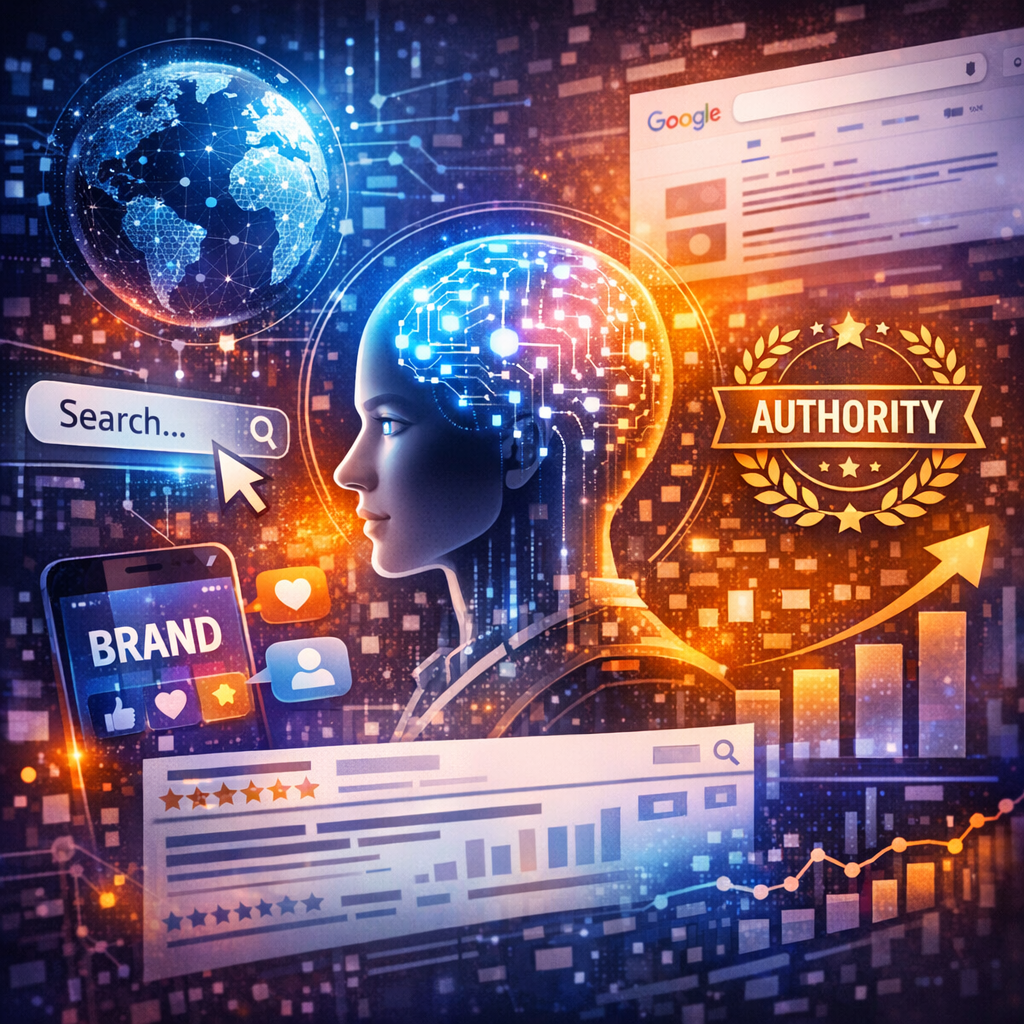
The Future of SEO: Navigating the New Era of Predictive Search and AI Integration
Introduction
As the digital landscape evolves, staying ahead of the curve is more crucial than ever for C-suite marketing and SEO professionals. The dawn of predictive search and AI integration is transforming the way consumers interact with search engines, and subsequently, how organizations approach search engine optimization. These cutting-edge technologies are revolutionizing traditional SEO strategies by making them more intuitive, responsive, and data-driven.
Predictive search leverages machine learning algorithms to anticipate user queries and provide results based on a user’s previous behaviors, preferences, and the context of their search. This means that businesses must now tailor their content not merely for what users are searching but for what they might search. The development of AI technologies such as natural language processing (NLP) and machine learning is at the heart of this evolution, enabling search engines to understand and process queries in a more human-like manner.
For C-suite professionals, the implications are profound. Traditional keyword strategies are being supplanted by a need for a nuanced understanding of user intent and behavior. Crafting a seamless and personalized user experience is now paramount, requiring a shift from static to dynamic SEO. This involves harnessing AI technologies to derive insights from vast sets of data, which can then inform content strategies that prioritize relevance over sheer volume.
Furthermore, AI-driven tools are enhancing data parsing capabilities, enabling SEO professionals to conduct more granular analyses of search trends and performance metrics. This not only aids in crafting more effective SEO strategies but also supports the creation of predictive models that forecast future trends, offering a competitive edge in a rapidly changing market.
Features
Several studies underscore the transformative potential of predictive search and AI in SEO. For instance, a study published in the [Journal of Business Research](https://www.journals.elsevier.com/journal-of-business-research) highlights how AI technologies are redefining consumer engagement by improving the accuracy of search results and enhancing user satisfaction. The study found that businesses utilizing predictive search saw a 22% increase in conversion rates, attributed to the technology’s ability to deliver highly relevant search results.
Additionally, research from the [Harvard Business Review](https://hbr.org/) emphasizes the role of machine learning in understanding user intent, which is critical in crafting personalized content strategies. According to the research, businesses that leverage AI to interpret user intent effectively can improve customer engagement by as much as 30%, a significant uplift compared to traditional SEO methods.
Furthermore, a report by [Gartner](https://www.gartner.com/en) suggests that by 2025, 80% of marketers who have incorporated AI-driven insights into their strategies will outperform their competitors in terms of engagement metrics. The integration of AI allows marketers to automate routine tasks, focus on strategic decision-making, and ensure that SEO strategies are aligned with broader marketing objectives.
The medical field also provides insights into AI utilization, with applications in natural language processing proving integral in handling large volumes of data efficiently. Studies indicate that AI systems capable of parsing medical literature can exponentially accelerate research and discovery processes. Similarly, in SEO, AI can analyze vast datasets to uncover trends and patterns that human analysts might overlook, tailoring search experiences more precisely to user needs.
Conclusion
As we move further into the realm of AI-driven technology, it becomes clear that predictive search and AI integration are not mere enhancements to existing SEO practices, but foundational shifts that redefine the landscape of digital marketing. For C-suite marketing and SEO leaders, embracing these technologies will be critical in staying competitive, optimizing business strategies, and delivering the tailored, engaging digital experiences that today’s consumers demand. Preparing for the future means adapting to these technologies now and integrating them into the core of your strategic framework.
Concise Summary
The future of SEO is rapidly shifting towards predictive search and AI integration, transforming how consumers engage with search engines. Businesses must now focus on user intent and behavior instead of traditional keyword strategies. This advancement requires leveraging AI technologies like natural language processing to create personalized user experiences and dynamic SEO strategies. AI-driven tools enhance data analysis, enabling predictions of future trends and improved customer engagement. By 2025, AI insights are expected to give marketers a competitive edge. Embracing these changes is essential for staying relevant in the evolving digital marketing landscape.

Dominic E. is a passionate filmmaker navigating the exciting intersection of art and science. By day, he delves into the complexities of the human body as a full-time medical writer, meticulously translating intricate medical concepts into accessible and engaging narratives. By night, he explores the boundless realm of cinematic storytelling, crafting narratives that evoke emotion and challenge perspectives.
Film Student and Full-time Medical Writer for ContentVendor.com