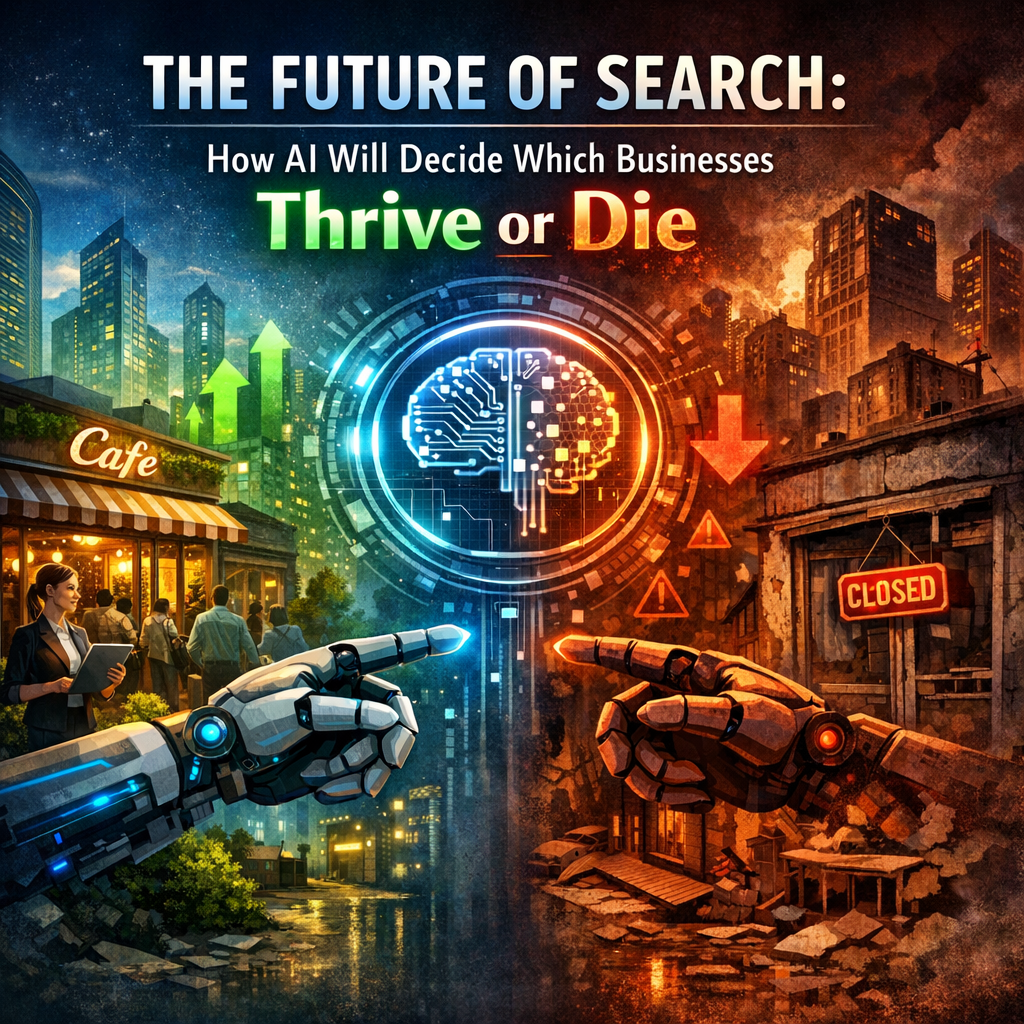
The Future of SEO: Leveraging AI and Machine Learning in Digital Marketing
Introduction
In the rapidly evolving landscape of *digital marketing*, staying ahead of the curve is a necessity for C-suite executives and senior marketing professionals. *Search Engine Optimization (SEO)* is no longer just about *keywords* and *backlinks*; it’s about using cutting-edge technology to predict and meet customer needs. *AI* and *machine learning* have become pivotal in reshaping the SEO strategies that businesses employ. By integrating these advanced technologies into their SEO arsenal, companies can harness *data insights* like never before, improving *user experience* and ultimately driving growth.
AI and machine learning have the potential to transform SEO from a reactive discipline to a proactive one. These technologies enable marketers to predict consumer behavior, personalize content, and optimize their digital presence in real-time. AI-driven tools like *RankBrain*, Google’s AI algorithm, continuously improve search accuracy and relevance, making it imperative for businesses to align their strategies accordingly. *Machine learning algorithms* analyze vast amounts of data to identify patterns and trends, which can be used to inform strategic decisions and tailor marketing campaigns to target specific audiences more effectively.
Furthermore, incorporating AI into SEO provides a wealth of *analytics* capabilities. With predictive analytics, businesses can anticipate *market trends* and adjust their strategies before their competitors. AI tools offer advanced insights into *consumer behavior*, search patterns, and engagement metrics, enabling marketers to craft highly-targeted campaigns. *Automation*, another significant benefit of AI, empowers marketers by reducing manual tasks such as keyword research, competitor analysis, and content optimization, freeing up valuable resources for creative strategy development.
As companies continue to integrate AI and machine learning into their operations, they must also address the ethical considerations and potential biases these technologies introduce. Ensuring fairness and transparency in algorithmic decision-making should be a priority, as leaders in digital marketing strive to build trust with their customers.
Features
Numerous studies have highlighted the effectiveness of AI and machine learning in transforming SEO strategies. For instance, a report by *MIT Sloan Management Review* and *The Boston Consulting Group* revealed that companies that incorporate AI into their operations see substantial performance improvements, including in marketing ROI. This is because AI helps in automating repetitive tasks, improving data analysis, and personalizing customer interactions at scale. [Read more about AI transforming business operations here.](https://hbr.org/2018/01/artificial-intelligence-for-the-real-world)
In the medical field, a study published by the *Journal of Medical Internet Research* focused on the utility of AI in analyzing large sets of unstructured data, such as social media posts and search queries, to better understand patient needs and behaviors. This approach can be mirrored in SEO marketing strategies to identify shifts in consumer sentiment and preferences well in advance, allowing companies to adjust their engagement tactics effectively. [Explore the study on AI’s application in the medical field here.](https://www.jmir.org/2020/4/e17800)
A research piece from Gartner indicates that by 2025, AI-based technologies will be prevalent across 80% of customer interactions, noting the increased reliability on AI to personalize user experiences. These insights underscore the necessity for marketers to embrace AI-driven SEO strategies not only to remain competitive but to innovate and deliver superior customer service. [Learn more about Gartner’s insights on AI trends here.](https://www.gartner.com/en/newsroom/press-releases/2021-03-18-gartner-says-that-by-2025-80-percent-of-customer-engagements-will-be-taken-over-by-ai)
The influence of AI in reshaping SEO extends beyond analytics. *Chatbots*, *voice search optimization*, and *natural language processing (NLP)* are revolutionizing how users interact with search engines. For instance, NLP’s ability to understand and process human language syntax has transformed keyword strategies into more sophisticated, context-aware methodologies. In essence, marketers are equipped to create content that not only resonates with human readers but aligns with how AI interprets online data, thus optimizing for both human and machine consumption.
Conclusion
Integrating AI and machine learning into SEO strategies is imperative for forward-thinking marketing leaders. By leveraging these technologies, businesses can gain a competitive edge in the digital marketplace, offering personalized, data-driven experiences to their audiences. As SEO continues to evolve, those who embrace AI-driven insights and automation capabilities will not only enhance their marketing effectiveness but also position themselves as industry leaders in innovation and customer engagement.
References
– [Artificial Intelligence for the Real World – Harvard Business Review](https://hbr.org/2018/01/artificial-intelligence-for-the-real-world)
– [AI Applications in Medical Research – Journal of Medical Internet Research](https://www.jmir.org/2020/4/e17800)
– [Gartner’s Predictions on AI and Customer Engagement](https://www.gartner.com/en/newsroom/press-releases/2021-03-18-gartner-says-that-by-2025-80-percent-of-customer-engagements-will-be-taken-over-by-ai)
Concise Summary
AI and machine learning are transforming SEO by predicting consumer behavior, personalizing content, and optimizing digital presence. AI-driven tools like Google’s RankBrain enhance search accuracy, while machine learning identifies patterns to inform strategy. Businesses gain advanced analytics capabilities and can anticipate market trends, freeing resources for creative strategies. Ethical considerations in AI use are crucial to maintaining customer trust. Studies show AI’s potential in improved marketing ROI, with Gartner predicting AI prevalence in 80% of customer interactions by 2025. Embracing AI in SEO is essential for competitive advantage and superior customer service.

Dominic E. is a passionate filmmaker navigating the exciting intersection of art and science. By day, he delves into the complexities of the human body as a full-time medical writer, meticulously translating intricate medical concepts into accessible and engaging narratives. By night, he explores the boundless realm of cinematic storytelling, crafting narratives that evoke emotion and challenge perspectives.
Film Student and Full-time Medical Writer for ContentVendor.com