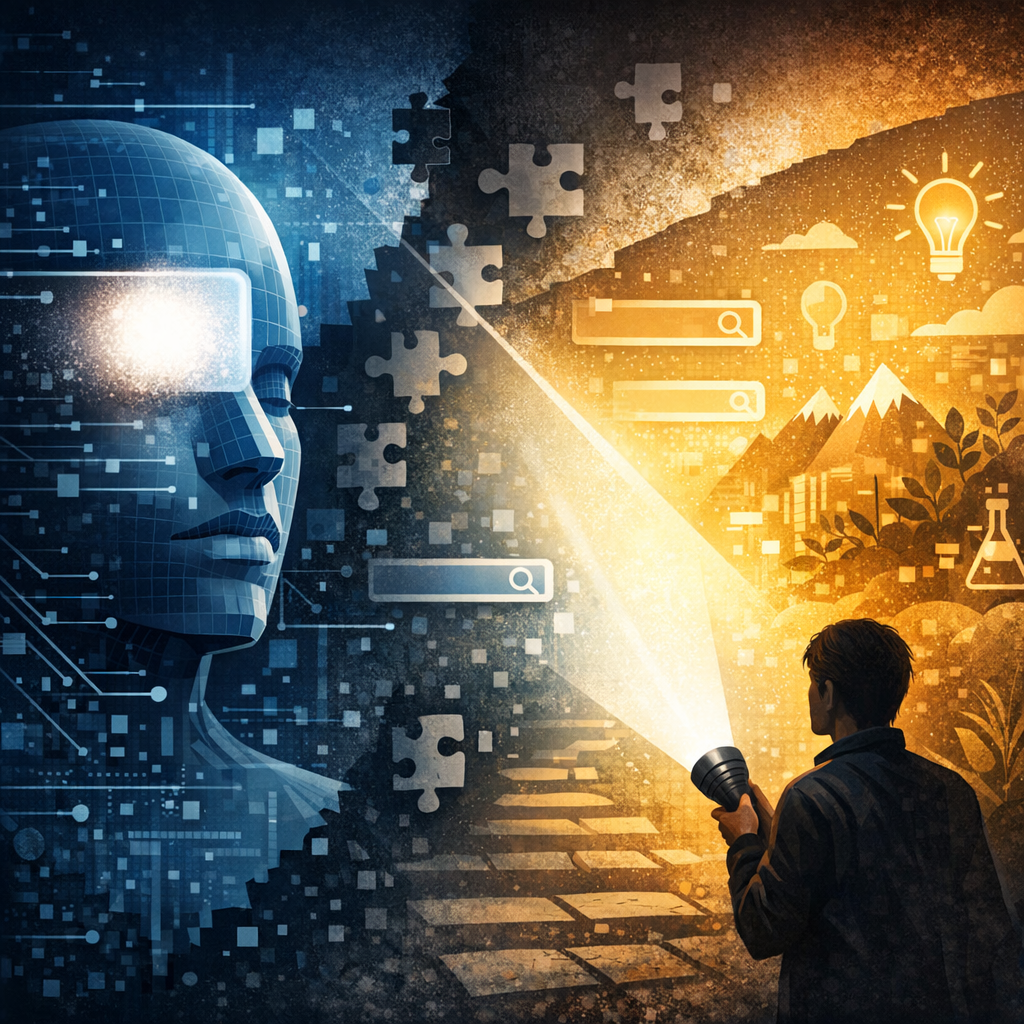
Navigating the Future of SEO: Harnessing AI and Machine Learning for Optimal Performance
Introduction
In the dynamic world of digital marketing, maintaining a competitive edge means constantly evolving with technological advancements. Search engine optimization (SEO) has become one of the most dynamic fields, continually adapting to new technology. Two transformative technologies currently shaping this domain are Artificial Intelligence (AI) and Machine Learning (ML). For C-suite marketing executives and senior SEO strategists, leveraging these advancements is no longer optional; it’s crucial for success.
SEO strategies traditionally revolved around keyword research, backlinks, and manual content optimizations. With the rise of AI and ML, a paradigm shift is underway. AI-powered algorithms, such as Google’s BERT and RankBrain, are transforming how search engines interpret user queries, focusing on intent and context. This provides more relevant search results, emphasizing user experience. For senior marketers, the role of AI in SEO now centers on delivering content that aligns seamlessly with user expectations and search intentions.
Furthermore, AI-driven tools revolutionize SEO by enabling sophisticated data analysis, automating routine tasks, and enhancing personalization. These technologies improve predictive analytics’ accuracy, allowing marketers to foresee trends and adapt strategies proactively. AI tools can analyze vast data in real-time to identify consumer behavior shifts, suggesting content or keywords more likely to boost engagement and conversion rates.
Machine Learning, a subset of AI, enhances these tools by refining search results based on user interactions. By learning from patterns over time, ML provides insights previously inaccessible. This cycle of learning and adaptation lets businesses fine-tune their SEO strategies with precision. Integrating AI and ML into SEO practices gives marketers a distinct advantage, helping them navigate complex search engine algorithms and maximize ROI.
Features
The integration of AI and Machine Learning into SEO strategy is not just theoretical but substantiated by various studies and professional analyses. Reports like the one from [McKinsey Global Institute](https://www.mckinsey.com/featured-insights/artificial-intelligence) highlight significant improvements in forecasting and decision-making processes for companies leveraging AI. In SEO, AI enhances competitive analysis, keyword research, and content creation, leading to more effective marketing efforts.
Additionally, a study by [PwC](https://www.pwc.com/gx/en/issues/analytics/assets/pwc-ai-analytical-world-report-february-2020.pdf) emphasizes that AI-driven personalization is crucial for consumer engagement and loyalty. For SEO professionals, this underscores AI’s importance in tailoring content to meet user preferences, a key factor in search engine rankings post-BERT and RankBrain updates.
Research published in the [Journal of Marketing Research](https://journals.sagepub.com/home/mrj) further illustrates the efficiency gains obtained through machine learning. The study found businesses implementing ML algorithms experienced improved customer insights, enabling more targeted and effective marketing strategies. In SEO, insights from ML analysis can guide content optimization, ensuring it resonates with evolving consumer interests and behaviors.
Moreover, [Google’s AI blog](https://ai.googleblog.com) highlights practical applications of AI and ML, demonstrating their role in refining search engines’ ability to discern user intent and context, significantly influencing search rankings. Leveraging ML helps businesses align their content strategy with search engine nuances, enhancing visibility and reach.
In summary, these studies and insights highlight the tangible benefits AI and ML offer SEO professionals. By facilitating data-driven decision-making, personalizing consumer experiences, and enhancing content strategies, these technologies reshape how businesses approach SEO. For C-suite executives and senior strategists, adopting these tools is essential for achieving sustained growth in an increasingly digital marketplace.
Conclusion
The integration of AI and Machine Learning into SEO strategies steers businesses toward a more efficient and effective future. As search engines evolve to cater to more nuanced user needs, professionals must harness these technologies to stay relevant. By utilizing AI and ML, businesses can enhance their SEO performance, leading to improved engagement, greater brand visibility, and ultimately, higher returns on investment. Embracing these advancements today positions companies as leaders in the digital marketing arena of tomorrow.
Concise Summary:
The article discusses how Artificial Intelligence (AI) and Machine Learning (ML) are transforming SEO. AI-powered tools enhance data analysis, automate tasks, and improve personalization, while ML refines search results, allowing businesses to optimize their strategies. This integration improves predictive analytics, content alignment with user intent, and understanding of consumer behavior. Studies underscore the resultant efficiency and competitive advantage, making these technologies critical for SEO professionals aiming to keep pace with evolving search engines and achieve sustained growth in a digital marketplace.

Dominic E. is a passionate filmmaker navigating the exciting intersection of art and science. By day, he delves into the complexities of the human body as a full-time medical writer, meticulously translating intricate medical concepts into accessible and engaging narratives. By night, he explores the boundless realm of cinematic storytelling, crafting narratives that evoke emotion and challenge perspectives.
Film Student and Full-time Medical Writer for ContentVendor.com