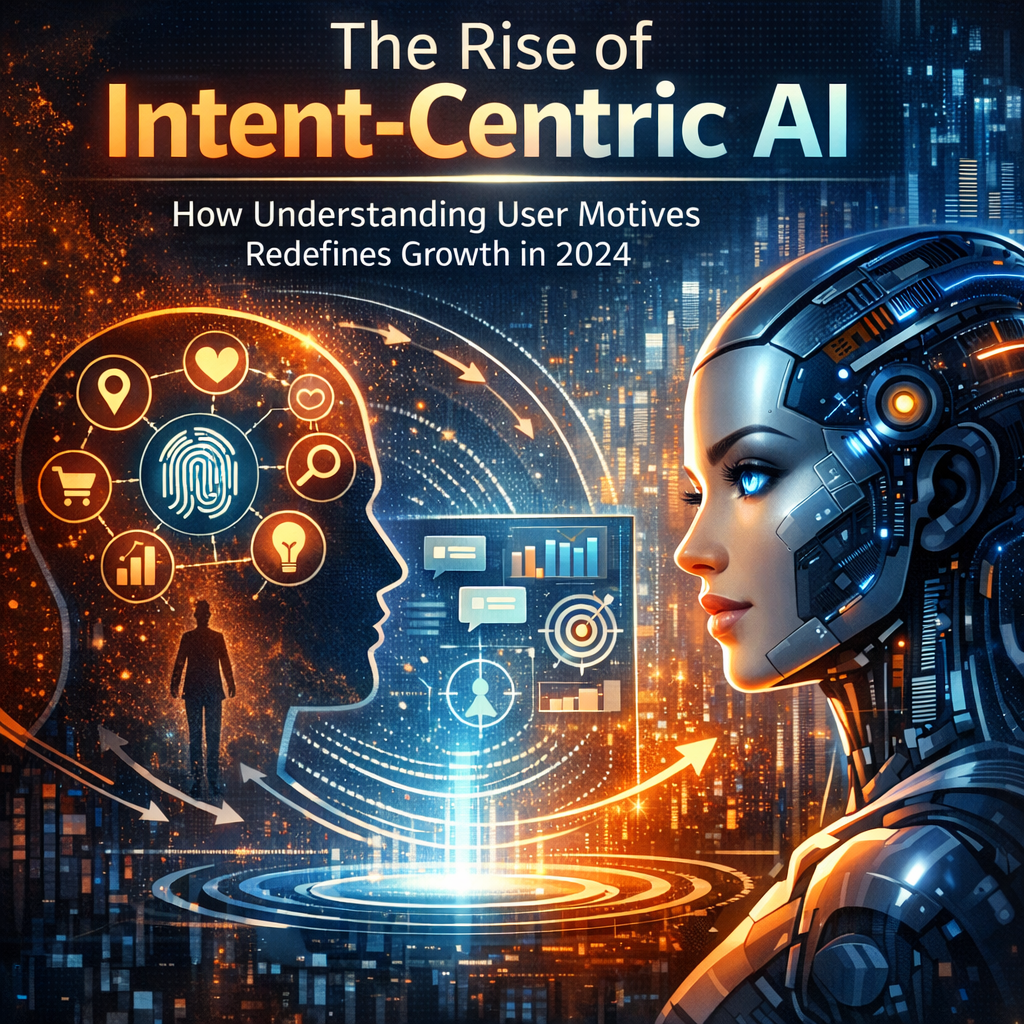
The Future of SEO: Integrating AI and Machine Learning in Digital Marketing Strategies
Introduction
In the ever-evolving landscape of digital marketing, the role of Search Engine Optimization (SEO) has transformed dramatically, becoming increasingly sophisticated and integral to business success. For C-suite executives and seasoned marketers, staying ahead of the curve is not just beneficial; it’s crucial. The advent of Artificial Intelligence (AI) and Machine Learning (ML) is reshaping the SEO landscape, offering innovative strategies that promise to revolutionize how brands reach and engage with their audiences.
At its core, SEO aims to enhance the visibility of a website in search engine results pages (SERPs). However, with AI and ML, this process is no longer about merely optimizing keywords, backlinks, or meta tags. Instead, these cutting-edge technologies offer a dynamic and data-driven approach to understanding user intent and behavior. For instance, AI can analyze vast datasets to discern search patterns and preferences, allowing businesses to craft personalized user experiences that resonate more deeply with their audience.
Moreover, AI-driven tools, such as natural language processing (NLP) and voice search optimization, are breaking traditional SEO boundaries. NLP empowers search engines to comprehend search queries more contextually, thus delivering more accurate results. Simultaneously, the rise in voice-activated technologies like Siri, Alexa, and Google Assistant compels marketers to rethink their strategies, shifting focus from keywords to conversational, long-tail phrases.
Incorporating AI and ML into your SEO strategy provides a competitive advantage by enhancing predictive analytics, enabling real-time decision-making, and automating content creation—all key elements in a modern marketer’s toolkit. As businesses increasingly adopt these technologies, the gap between those who merely survive and those who thrive will widen.
For C-suite professionals, integrating AI and ML into SEO strategies isn’t just a technical decision; it’s a strategic imperative. Executives who understand and harness these tools will set their organizations apart in an intensifying digital marketplace.
Features
Recent professional and academic studies elucidate the profound impact of AI and ML in SEO and broader digital marketing tactics. A report by Gartner highlights that by 2025, organizations employing AI across marketing activities are expected to improve their campaign performance by at least 25% compared to those who do not. [Gartner Report on AI in Marketing](https://www.gartner.com/en/marketing/insights/articles).
Another pivotal study from the McKinsey Global Institute illustrates how AI and ML technologies can enhance user conversion rates by refining the accuracy of predictive analytics. Their research indicates that dynamic, data-driven strategies outperform traditional techniques by up to 30%, underlining the potential of AI to revolutionize data application in SEO. [McKinsey on AI and Analytics](https://www.mckinsey.com/capabilities/quantumblack).
The medical field, though seemingly unrelated, provides intriguing insights into the neurocognitive aspects of decision-making influenced by AI. According to research published in the [Journal of Medical Internet Research](https://www.jmir.org/), AI-powered personalization not only streamlines information delivery but also significantly impacts user satisfaction and retention by aligning content with cognitive preferences. This cognitive alignment could be a game-changer in creating personalized marketing experiences.
These studies demonstrate that the integration of AI and ML is transformative, offering quantitative and qualitative metrics boosting digital marketing effectiveness. By leveraging these technologies, businesses can access granular insights, forecast trends, and optimize their content strategies with precision and agility.
Conclusion
Integrating AI and ML into SEO is more than just a technological trend; it’s a strategic pivot that can redefine a company’s market position. For C-suite leaders aiming to propel their businesses forward, embracing these innovations is essential. As the digital landscape becomes increasingly competitive, those who harness the predictive power and nuanced analytics offered by AI will lead the charge, setting new standards for excellence and engagement in digital marketing strategies. Embrace the future of SEO—where data meets ingenuity and possibilities are as limitless as your imagination.
Summary
Artificial Intelligence and Machine Learning are transforming SEO by offering powerful tools for understanding and predicting user behavior. Incorporating AI into SEO strategies enhances visibility and engagement, enabling precise, data-driven decisions. Studies indicate a significant performance boost for marketing campaigns using AI, with potential benefits seen across various industries, including digital marketing. NLP and voice search optimization are just a few examples of how AI innovations redefine traditional SEO practices. For leaders, adopting these technologies is not just advantageous—it’s essential to maintaining a competitive edge in a rapidly evolving marketplace.

Dominic E. is a passionate filmmaker navigating the exciting intersection of art and science. By day, he delves into the complexities of the human body as a full-time medical writer, meticulously translating intricate medical concepts into accessible and engaging narratives. By night, he explores the boundless realm of cinematic storytelling, crafting narratives that evoke emotion and challenge perspectives.
Film Student and Full-time Medical Writer for ContentVendor.com