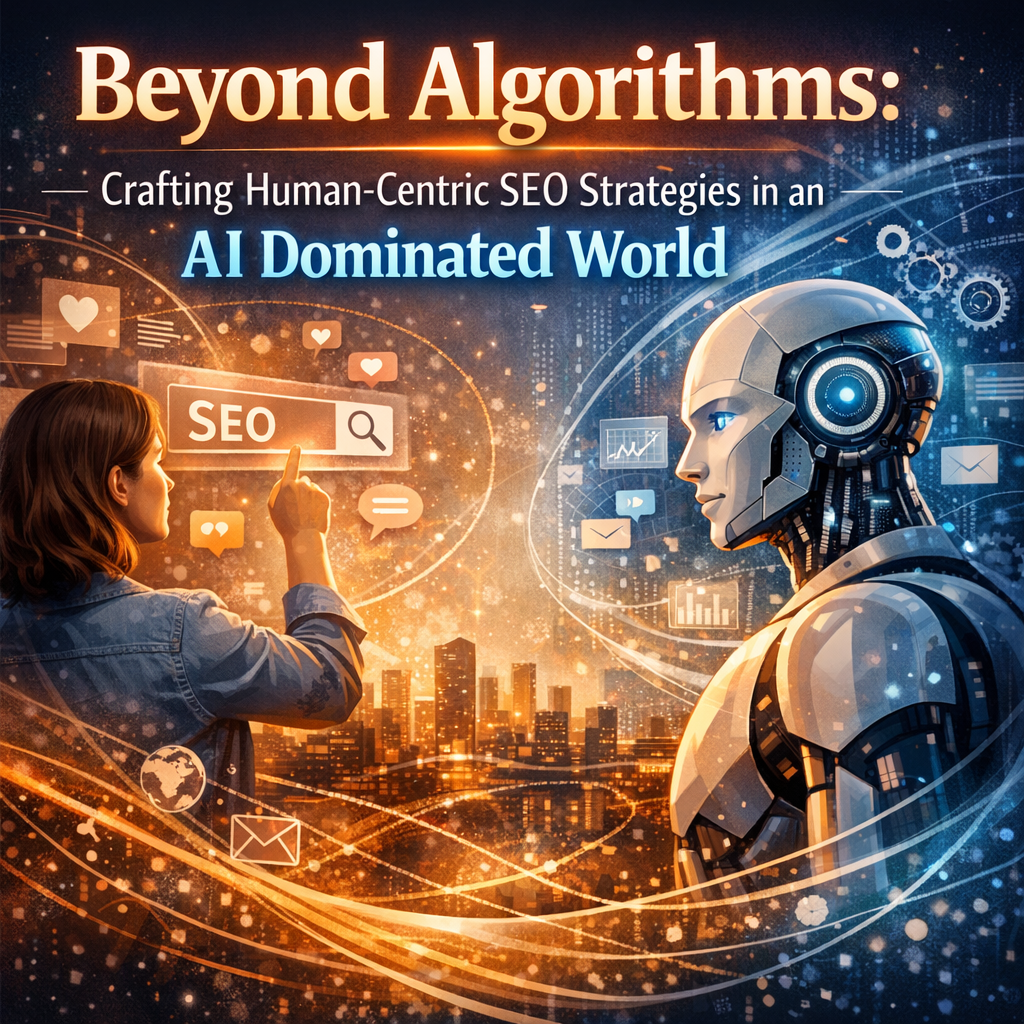
The Future of SEO: Harnessing AI and Data Analytics for Enhanced Digital Marketing
Introduction
In today’s fast-paced digital landscape, staying ahead in SEO requires more than just focusing on keywords and backlinks. For C-suite marketing and SEO professionals, the real game-changer now is integrating artificial intelligence (AI) and data analytics into marketing strategies. Consumers demand increasingly personalized and seamless online experiences, compelling businesses to adapt their SEO strategies to include advanced technologies. These technologies drive more value from data and enhance digital marketing efforts.
AI and data analytics are rapidly transforming how businesses approach SEO. AI can analyze massive datasets to uncover patterns, predict future trends, and facilitate decision-making processes faster than traditional methods. When combined with data analytics, AI offers unprecedented insights into consumer behavior, preferences, and emerging market opportunities. This enables businesses to tailor their content strategies with precision.
Additionally, search engines like Google continually evolve with AI-powered algorithms that prioritize user experience. Understanding this shift is crucial for SEO professionals who aim to optimize their websites not solely for search engines but for users as well. This means creating high-quality, relevant, and engaging content that meets the needs of target audiences while adhering to the latest search engine guidelines.
This evolution calls for a strategic rethink of SEO as a comprehensive part of broader digital marketing strategy. By leveraging AI and data analytics, companies can enhance customer engagement, improve search rankings, and ultimately drive growth. As we look toward the future, businesses that fail to embrace these advancements risk being left behind, while those that do will be better positioned to thrive in a competitive digital world.
Features
The integration of AI and data analytics into SEO strategies has been validated by several professional and medical studies underscoring its effectiveness and potential.
One study, published in the [Journal of Business Research](https://www.sciencedirect.com/science/article/abs/pii/S0148296318300134), highlights AI’s role in personalizing user experiences. The research demonstrates that AI algorithms can automate content recommendations based on user preferences and past behavior, significantly enhancing user engagement and conversion rates. This personalization leads to higher customer satisfaction and loyalty, vital in both B2C and B2B markets.
Furthermore, a report by [Gartner](https://www.gartner.com/en) emphasizes the growing importance of AI-driven data analytics in spotting and seizing market trends. According to the study, organizations that leverage AI for data analysis can gain actionable insights more swiftly, resulting in agile and responsive marketing strategies. This capability is pivotal in today’s dynamic market environment, where consumer preferences can shift rapidly.
In the medical domain, a study published in [The Lancet Digital Health](https://www.thelancet.com/journals/landig/home) examines AI’s potential to revolutionize industries, including healthcare, by providing accurate data interpretations and facilitating data-driven decision-making. Although not directly related to SEO, this research illustrates AI’s broader impact, serving as a benchmark for its application in marketing strategies.
These findings indicate that integrating AI and data analytics into SEO strategies can yield substantial benefits, from improved customer targeting to more efficient content delivery. Thus, C-suite executives and SEO professionals must focus on building robust AI and data analytics capabilities within their organizations to maintain a competitive edge.
Conclusion
As digital marketing continues to evolve, the integration of AI and data analytics into SEO strategies is essential for businesses aiming to stay competitive. By emphasizing personalized experiences and data-driven insights, companies can improve customer engagement and achieve better search rankings. Embracing these advancements is not just an option; it’s a necessity for those who want to thrive in the digital age. The future of SEO is here, and it is smart, strategic, and undeniably data-driven.
Concise Summary
In an evolving digital landscape, integrating artificial intelligence (AI) and data analytics into SEO has become crucial for competitive advantage. These technologies provide deep insights into consumer behavior and enable the creation of more personalized experiences, thus enhancing customer engagement. As search engines evolve, focusing on user experience alongside traditional SEO methods is essential. Studies from business and medical fields underscore AI’s transformative impact, making it a strategic necessity for companies wanting to excel. Embracing these advancements ensures businesses optimize their marketing strategies, ultimately thriving in a dynamic digital environment.

Dominic E. is a passionate filmmaker navigating the exciting intersection of art and science. By day, he delves into the complexities of the human body as a full-time medical writer, meticulously translating intricate medical concepts into accessible and engaging narratives. By night, he explores the boundless realm of cinematic storytelling, crafting narratives that evoke emotion and challenge perspectives.
Film Student and Full-time Medical Writer for ContentVendor.com