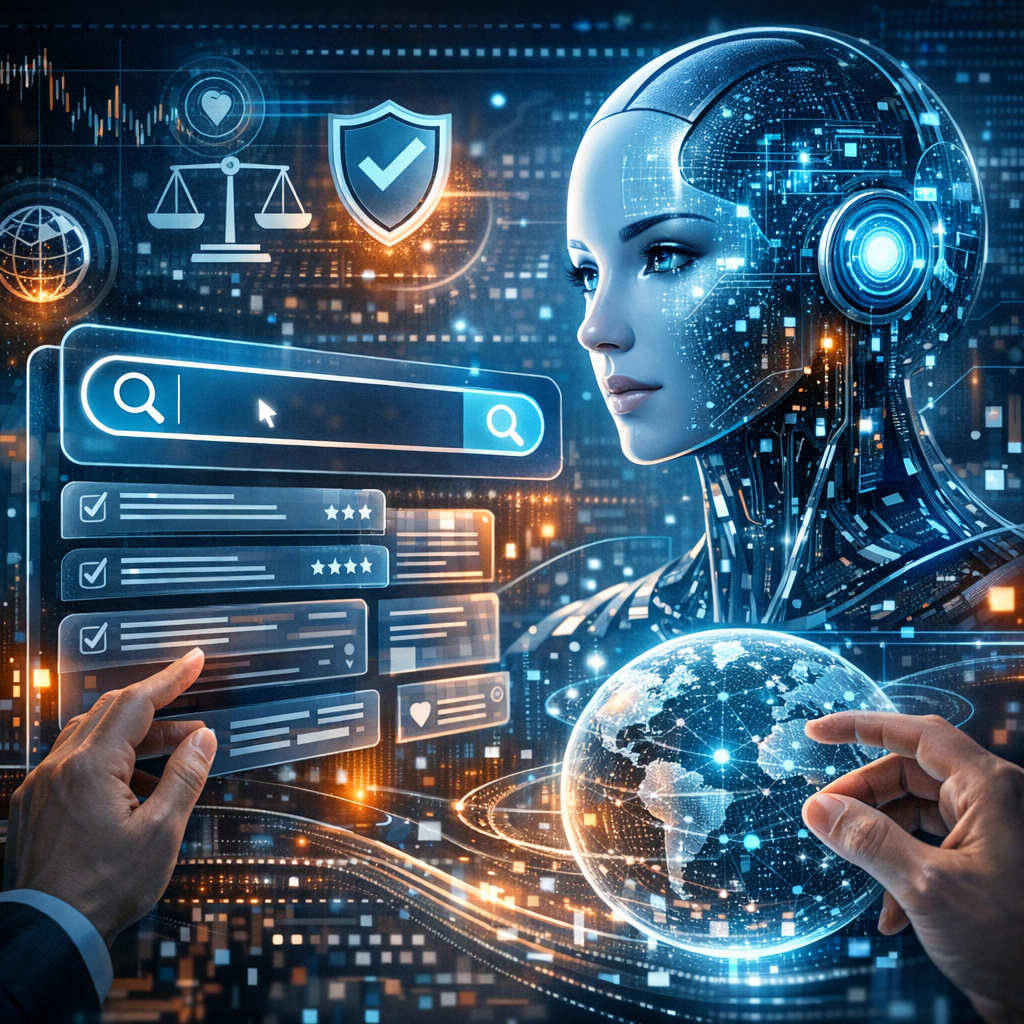
The Future of SEO: Navigating the Complexities of AI and Machine Learning in Digital Marketing
Introduction
In the rapidly evolving digital landscape, the role of Artificial Intelligence (AI) and Machine Learning (ML) in Search Engine Optimization (SEO) is increasingly pivotal. As technology advances, these tools are reshaping strategies for C-suite marketing and SEO professionals who aim to stay ahead. For executives seeking tangible growth through SEO, understanding AI and ML’s impact is essential.
AI and ML are transforming SEO by offering more personalized search experiences. Google’s RankBrain, for instance, utilizes AI to better understand user queries and provide more relevant search results. This AI-driven sophistication requires SEO professionals to move beyond basic keyword optimization to consider user intent and context-driven search queries. As algorithms evolve, they learn from vast data points—not just understanding what users type, but interpreting what they mean. The challenge is aligning content strategies with these intelligent systems to ensure visibility and relevance.
Moreover, AI and ML streamline SEO tasks like keyword analysis, content creation, and performance analytics. Tools like Clearscope and MarketMuse use AI to optimize content for both user engagement and search engine algorithms, offering insights into competitive keywords and semantic relevance. These technologies help marketers craft content that not only ranks high but also resonates with their target audience, improving engagement metrics and conversion rates.
Looking ahead, AI’s impact on SEO is set to grow more profound. AI systems’ ability to process and analyze big data will equip marketers with deeper insights into consumer behavior and preferences. This enables the creation of highly targeted marketing campaigns, enhancing customer experience and brand loyalty. For C-suite executives, harnessing AI in SEO is crucial for maintaining competitive advantage in a digital-first world.
Features
The integration of AI and ML into SEO is supported by numerous professional and academic studies highlighting their effectiveness in transforming digital marketing strategies. A study published in the [Journal of Information and Data Management](https://jidm.org) stated that AI-powered SEO tools significantly improve content relevancy and search ranking by leveraging deep learning to process unstructured data. This research underscores AI’s capability to interpret vast datasets, offering a strategic advantage in decision-making.
Similarly, a report by [McKinsey Digital](https://www.mckinsey.com/business-functions/mckinsey-digital) explores AI’s potential to revolutionize marketing efficiency. According to their findings, businesses that effectively apply AI technologies to their SEO strategies see an increase in marketing efficiency by up to 30%. Automating data-driven tasks with AI allows marketers to focus on strategic initiatives, fostering innovation and improving overall performance.
Additionally, studies on consumer behavior, such as one in the [Journal of Consumer Psychology](https://www.journalofconsumerpsychology.com), illustrate the importance of personalized content delivery, which AI facilitates. Personalized search results increase the likelihood of conversion and prolonged engagement. This aligns with AI and ML’s capacity to create customized user experiences in real-time, tailoring content to individual preferences and behaviors to drive business growth.
For C-suite professionals, leveraging data insights provided by AI is transformative. This capability is not just about crafting relevant content—it’s about foreseeing market trends and customer needs. Companies investing in AI-driven SEO platforms are better positioned to anticipate consumer trends and adapt strategies, ensuring competitiveness and relevance in a digital market.
Conclusion
As technology continues to evolve, the role of AI and ML in shaping the future of SEO is undeniable. These tools offer unprecedented opportunities for C-suite marketing professionals to enhance efficiency, optimize strategies, and deliver personalized user experiences. By leveraging AI technologies, businesses can achieve greater SEO success and maintain a competitive edge, driving growth in today’s digital-first economy.
References
1. [Journal of Information and Data Management](https://jidm.org).
2. [McKinsey Digital](https://www.mckinsey.com/business-functions/mckinsey-digital).
3. [Journal of Consumer Psychology](https://www.journalofconsumerpsychology.com).
Concise Summary: The integration of AI and ML into SEO is transforming digital marketing by providing personalized search experiences and optimizing tasks like keyword analysis and content creation. As AI-driven systems like Google’s RankBrain evolve, SEO strategies must align with user intent and context. Studies show AI-powered tools improve search rankings and provide strategic advantages. These technologies equip marketers with insights into consumer behavior, enabling targeted campaigns. For executives, leveraging AI is crucial to stay competitive in the digital-first marketplace.

Dominic E. is a passionate filmmaker navigating the exciting intersection of art and science. By day, he delves into the complexities of the human body as a full-time medical writer, meticulously translating intricate medical concepts into accessible and engaging narratives. By night, he explores the boundless realm of cinematic storytelling, crafting narratives that evoke emotion and challenge perspectives.
Film Student and Full-time Medical Writer for ContentVendor.com