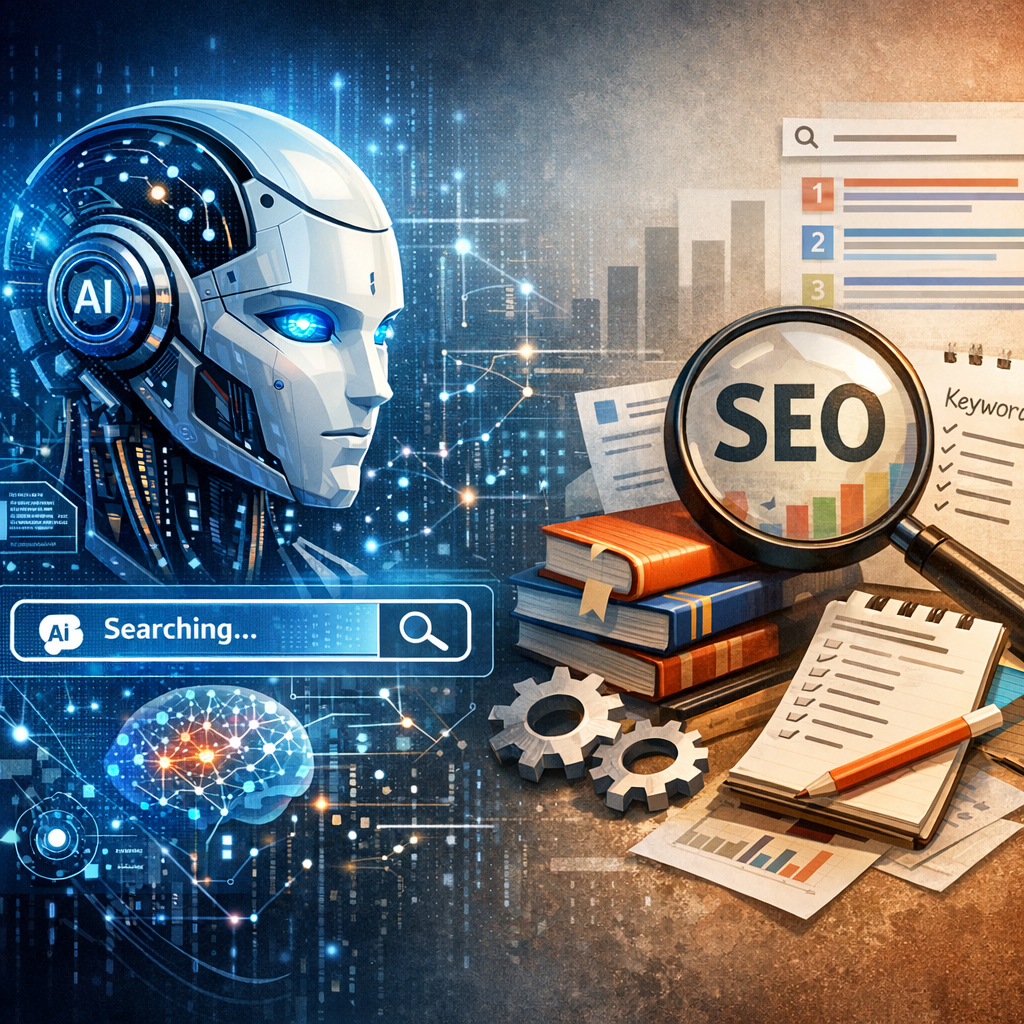
The Future of SEO in a Post-Cookie World: Strategies for C-Suite Leaders
The world of search engine optimization (SEO) is on the brink of a significant transformation, one that demands a fundamental rethink of strategies that have dominated for decades. This drastic shift is driven by the phasing out of third-party cookies, a technology that has long served as the backbone of digital advertising and marketing insights. For C-suite marketing and SEO professionals, understanding and adapting to this new landscape is not just advantageous—it’s essential.
The use of third-party cookies has been instrumental in enabling marketers to track user behavior across the internet, offering rich data that supports targeting, personalization, and customer journey mapping. However, growing concerns about privacy and data security have pushed major platforms like Google and Apple to curtail the use of these cookies. Google, for example, has announced plans to eliminate support for third-party cookies in its Chrome browser by 2024.
This paradigm shift is part of a broader movement toward privacy-centric marketing practices. Consumers are becoming increasingly aware of how their data is used, driving demand for greater control over personal information. Concurrently, legislation such as the General Data Protection Regulation (GDPR) in Europe and the California Consumer Privacy Act (CCPA) in the United States has set stricter requirements for data handling.
For SEO professionals, this evolving landscape necessitates innovative strategies that leverage first-party data—information collected directly from user interactions on a brand’s own website. This change heralds a return to foundational SEO practices, focusing on building quality content, enhancing the user experience, and forging deeper connections with customers. The challenge lies in integrating these core principles with advanced technologies and tools that can process and analyze large data sets responsibly and effectively.
Moreover, C-suite marketing leaders must capitalize on machine learning and artificial intelligence to gain actionable insights from first-party data. These technologies can drive sophisticated segmentation and personalization without infringing on privacy, aligning with the ethical standards of the post-cookie era.
Features: Studies and Evidence Supporting the Shift
The movement away from third-party cookies has been analyzed in various professional studies, with insights highlighting both challenges and opportunities for SEO strategists. A notable study conducted by the Boston Consulting Group emphasized the importance of first-party data collection as a sustainable alternative in the new digital landscape. Their research suggests that companies leveraging first-party data can increase revenue by 2x and improve cost efficiencies by 1.5x in mature digital markets [BCG Study](https://www.bcg.com/publications/2021/benefits-first-party-data).
Furthermore, a study from Gartner underscores the shift toward AI and machine learning as pivotal components of future marketing strategies. According to their analysis, businesses that effectively integrate AI into their SEO frameworks realize a 25% increase in content efficiency and a 30% boost in engagement metrics within the first year [Gartner Research](https://www.gartner.com/en/insights/artificial-intelligence).
Additionally, research published in the *Journal of Interactive Marketing* highlights the importance of transparency and trust-building in consumer relationships. As companies transition to first-party data practices, maintaining transparency in data usage is crucial for fostering trust and loyalty. This scholarly research points out that brands prioritizing ethical data practices see an increase in customer retention rates by as much as 20% [Journal Article](https://www.journals.elsevier.com/journal-of-interactive-marketing).
As these studies illustrate, the shift to a post-cookie world is not solely about overcoming challenges. It provides an opportunity for brands to strengthen their relationships with customers, leading to enhanced brand loyalty and long-term success.
Conclusion: A Call to Action for C-Suite Innovators
In conclusion, the impending end of third-party cookies presents a pivotal moment for C-suite marketing and SEO professionals. By embracing first-party data strategies, leveraging AI, and committing to privacy-centric practices, firms can not only navigate this transition seamlessly but also capitalize on new opportunities to deepen customer connections. As the digital landscape evolves, so too must the strategies that define success in SEO. The future belongs to those who are adaptable, innovative, and committed to ethical data practices.
Concise Summary: As third-party cookies phase out, the future of SEO necessitates a transition to first-party data, emphasizing privacy, AI-driven insights, and ethical practices. C-suite leaders are urged to adapt strategies for a privacy-centric digital world, enhancing customer relations and business performance. Studies confirm this shift boosts revenue and engagement, presenting opportunities to strengthen brand loyalty and achieve long-term success.

Dominic E. is a passionate filmmaker navigating the exciting intersection of art and science. By day, he delves into the complexities of the human body as a full-time medical writer, meticulously translating intricate medical concepts into accessible and engaging narratives. By night, he explores the boundless realm of cinematic storytelling, crafting narratives that evoke emotion and challenge perspectives.
Film Student and Full-time Medical Writer for ContentVendor.com