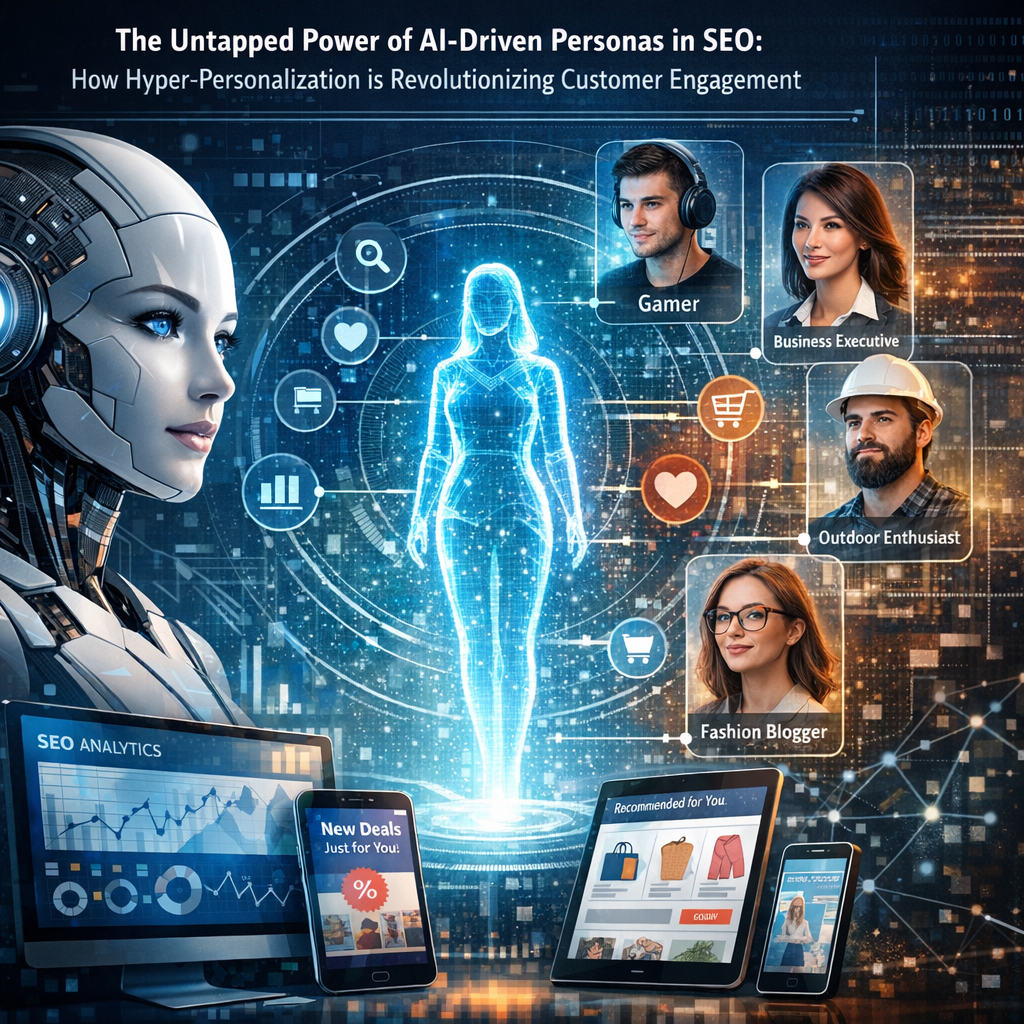
Exploring the Future of SEO: Leveraging AI for Enhanced Search Performance
Introduction:
In the ever-evolving landscape of search engine optimization (SEO), the integration of artificial intelligence (AI) has emerged as a game-changer, setting the stage for a revolution in digital marketing strategies. For C-suite executives and SEO professionals, understanding the implications of AI on SEO is crucial not just for staying competitive, but for thriving in a digital environment where search engines are becoming increasingly sophisticated.
AI’s role in SEO transcends traditional keyword-focused strategies, ushering in an era where algorithms learn and predict user behavior with unprecedented accuracy. The transformation is powered by AI-driven technologies like machine learning, natural language processing (NLP), and big data analytics that enable search engines to better understand search intent and deliver highly relevant results. For instance, Google’s AI algorithm, RankBrain, plays a pivotal role in processing search queries, understanding nuances, and improving the quality of search results.
Additionally, AI tools are revolutionizing content creation, link building, and on-page optimization. Content creators can now use AI to generate topic ideas, analyze trends, and tailor content to specific audience needs with precision. AI technology helps marketers understand user engagement patterns, making data-driven decisions easier and more effective. Furthermore, in competitor analysis, AI offers detailed insights into competitors’ strategies, allowing businesses to adapt and refine their SEO strategies accordingly.
As digital landscapes become more complex, SEO professionals equipped with AI tools can optimize for voice search, video content, and even augmented reality. This adaptive strategy aids brands in appearing in diverse search environments, ensuring enhanced visibility and higher rankings across various digital channels. The integration of AI in SEO is not just a trend, but a vital necessity that defines the future success of digital marketing campaigns.
Features:
AI’s pervasive influence in SEO is backed by several studies and research findings. A study published in the [Journal of Machine Learning Research](http://www.jmlr.org/papers/volume15) highlighted how machine learning algorithms are being utilized to enhance search engine capabilities, enabling nuanced interpretation of user queries and context.
Incorporating natural language processing (NLP) in SEO strategies is also supported by research from [MIT Technology Review](https://www.technologyreview.com/2021/03/10/1020608/natural-language-processing-ai-search-results/), which discusses how NLP helps in understanding and processing human language for more refined search outcomes. Google’s BERT algorithm, a deep learning-based approach, exemplifies how AI can understand context on a deeper level, thus improving search relevance.
Furthermore, a survey report by [HubSpot](https://www.hubspot.com) indicates that 72% of marketing professionals consider AI-powered marketing automation tools essential for their work. The report emphasizes the benefits of AI in enhancing personalization, streamlining workflows, and increasing ROI, reaffirming its importance in SEO strategies.
Visually-driven search is another area where AI is making a significant impact. According to a study by [Forrester Research](https://go.forrester.com), businesses that implement visual and voice search technologies can experience a 30% increase in revenue. This finding underscores the need for SEO professionals to align their strategies with these emerging technologies, ensuring comprehensive coverage across all search modes.
AI’s contribution to predictive analytics cannot be overlooked. With the help of AI, businesses can predict future trends and user behaviors, giving them a competitive edge in SEO. This includes forecasting potential algorithm changes and adapting content strategies proactively.
Conclusion:
As AI continues to reshape the SEO landscape, it becomes imperative for C-suite marketing and SEO professionals to embrace these innovations. Leveraging AI-driven tools not only enhances search performance but also ensures sustainable growth in a rapidly dynamic digital world. By prioritizing AI integration, businesses can achieve precise targeting, improved user engagement, and a stronger online presence.
References:
1. [Journal of Machine Learning Research](http://www.jmlr.org/papers/volume15)
2. [MIT Technology Review – AI and NLP](https://www.technologyreview.com/2021/03/10/1020608/natural-language-processing-ai-search-results/)
3. [HubSpot – AI in Marketing](https://www.hubspot.com)
4. [Forrester Research – Visual and Voice Search](https://go.forrester.com)
Concise Summary:
The integration of AI in SEO represents a transformative shift from traditional keyword strategies towards a more sophisticated, user-centric approach. By utilizing machine learning, natural language processing, and big data analytics, AI enhances search engine capabilities and optimizes content strategies. This new era of SEO allows for improved user engagement, precise targeting, and sustainable digital growth across diverse search platforms. Embracing AI-driven tools is essential for businesses to maintain a competitive edge in an increasingly complex digital landscape.

Dominic E. is a passionate filmmaker navigating the exciting intersection of art and science. By day, he delves into the complexities of the human body as a full-time medical writer, meticulously translating intricate medical concepts into accessible and engaging narratives. By night, he explores the boundless realm of cinematic storytelling, crafting narratives that evoke emotion and challenge perspectives.
Film Student and Full-time Medical Writer for ContentVendor.com