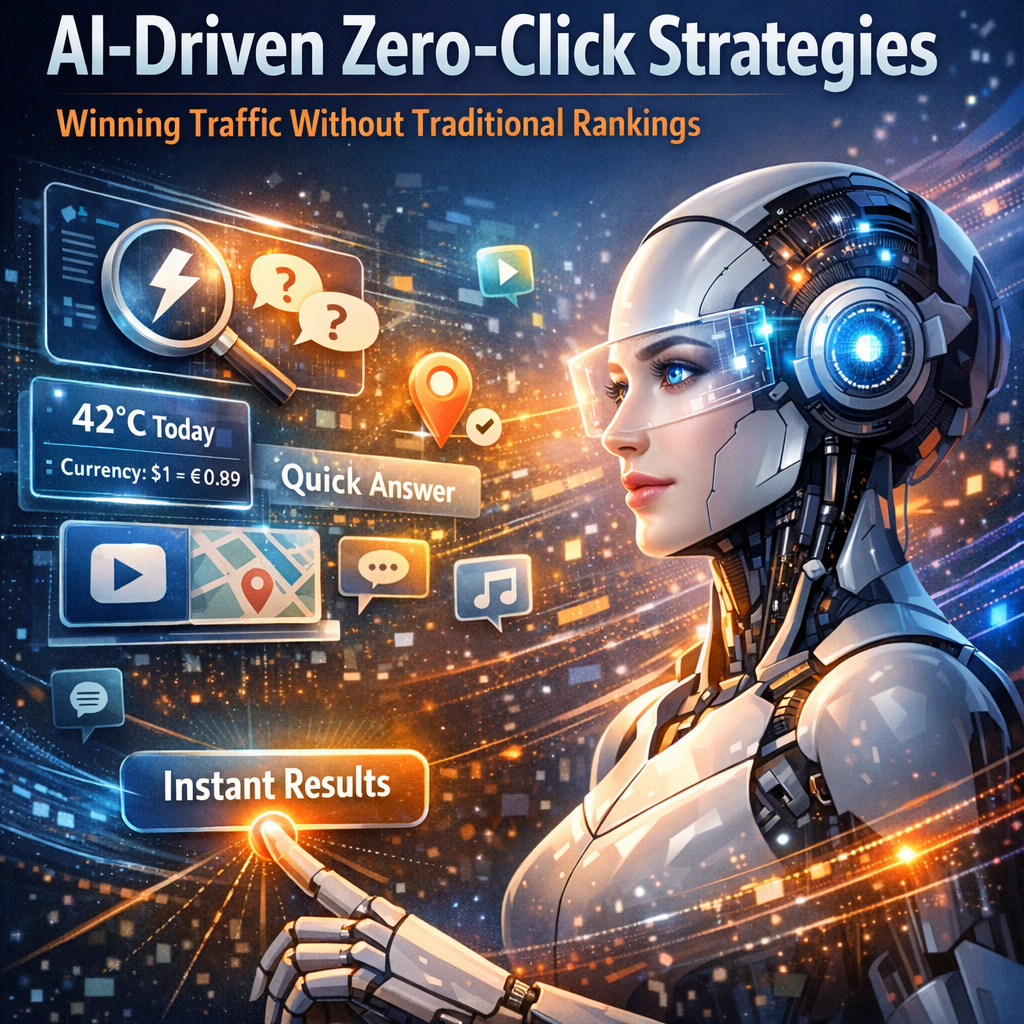
Maximizing SEO Strategies with AI: A C-Suite Approach
Introduction
In the rapidly evolving digital landscape, search engine optimization (SEO) has become crucial for online marketing strategies, particularly for C-suite executives keen on driving business growth and maintaining competitive advantages. With numerous variables influencing SEO, understanding and leveraging artificial intelligence (AI) can be transformative for organizations. AI’s ability to process vast datasets and provide actionable insights makes it indispensable in optimizing SEO strategies.
As search engines like Google continue refining their algorithms, they increasingly prioritize quality content and user experience over keyword density. This shift demands more sophisticated SEO strategies capable of adapting to the dynamic nature of search engine algorithms. AI enables organizations to analyze complex data patterns, forecast trends, and tailor content to meet these constantly changing demands. Moreover, AI aids in automating routine tasks like keyword research, performance analysis, and competitor benchmarking, freeing up time for strategic decision-making.
For C-suite executives, embracing AI-driven SEO solutions is essential for enhancing online visibility and catering to the digital-first consumer mentality. As AI evolves, it introduces opportunities to fine-tune content strategies, optimize advertising spend, and boost conversion rates. Additionally, AI provides deeper insights into customer behavior, helping to create personalized, relevant digital experiences. This convergence of AI and SEO promises a paradigm shift in executing digital marketing initiatives, offering sustainable competitive advantages in the marketplace.
Proactively engaging with AI-driven SEO aligns marketing strategies with business goals, enabling companies to anticipate shifts in consumer behavior and market dynamics. For C-suite leaders seeking innovation, integrating AI into SEO strategies signifies a forward-thinking approach that leverages technology for growth and efficiency.
Features
AI technologies are transforming traditional SEO practices by offering advanced tools and methodologies for enhanced performance. Numerous studies highlight AI’s efficacy in optimizing SEO strategies. For instance, research from the [Journal of Business Research](https://www.journals.elsevier.com/journal-of-business-research) demonstrates how AI algorithms accurately predict consumer search intent, enabling marketers to craft content that engages users and aligns strategically with search engine algorithms. This predictive capability not only boosts search rankings but also elevates user engagement with more relevant content experiences.
Additionally, research highlights the impact of machine learning on keyword research and content optimization. AI-driven tools like BrightEdge and MarketMuse use deep learning techniques to analyze large datasets, identifying trending topics and high-impact keywords to enhance content visibility. These tools automate traditionally labor-intensive processes, allowing more efficient resource allocation within marketing teams. A report by [McKinsey & Company](https://www.mckinsey.com) discusses how AI technologies contribute to improvements in organizational productivity, demonstrating substantial ROI for businesses integrating AI into their SEO strategies.
Furthermore, AI facilitates the creation of dynamic content strategies by analyzing performance data. Insights into user behavior, content interaction, and conversion metrics allow marketing leaders to make data-driven decisions, optimizing strategies for better engagement and brand loyalty. Additionally, advancements in natural language processing (NLP) revolutionize content creation and optimization, ensuring material is relevant and adheres to the semantic context preferred by modern search engines.
In the medical field, AI’s influence on SEO is noteworthy. A study from the [Journal of Medical Internet Research](https://www.jmir.org) illustrates how healthcare organizations use AI to optimize patient-facing content and improve discoverability in search engine results. This not only enhances patient engagement but also disseminates accurate medical information to broader audiences. By leveraging AI, healthcare providers ensure their content meets patients’ informational needs while adhering to compliance and ethical standards.
Conclusion
Incorporating AI into SEO strategies is a pivotal advancement for C-suite executives aiming to drive growth and remain competitive. By capitalizing on AI’s ability to analyze and predict market trends, organizations can refine their SEO tactics, enhancing online visibility and improving customer experiences. As AI reshapes the digital landscape, its integration into SEO facilitates a deeper understanding of customer needs, aligning marketing efforts with future business objectives. Embracing AI-driven SEO is essential for businesses striving to lead in the digital transformation age.
Concise Summary
Integrating artificial intelligence into search engine optimization offers a transformative approach, especially for C-suite executives focused on maintaining a competitive edge and driving growth. AI processes vast datasets and provides insights crucial for optimizing strategies, particularly as search engines prioritize quality content and user experience. AI-driven tools enhance content strategies and automate key tasks, freeing time for strategic decisions. With advancements in natural language processing and machine learning, AI-driven SEO strategies facilitate personalized user experiences and improved engagement. This integration positions businesses to anticipate market trends, align marketing efforts with business goals, and remain competitive.

Dominic E. is a passionate filmmaker navigating the exciting intersection of art and science. By day, he delves into the complexities of the human body as a full-time medical writer, meticulously translating intricate medical concepts into accessible and engaging narratives. By night, he explores the boundless realm of cinematic storytelling, crafting narratives that evoke emotion and challenge perspectives.
Film Student and Full-time Medical Writer for ContentVendor.com