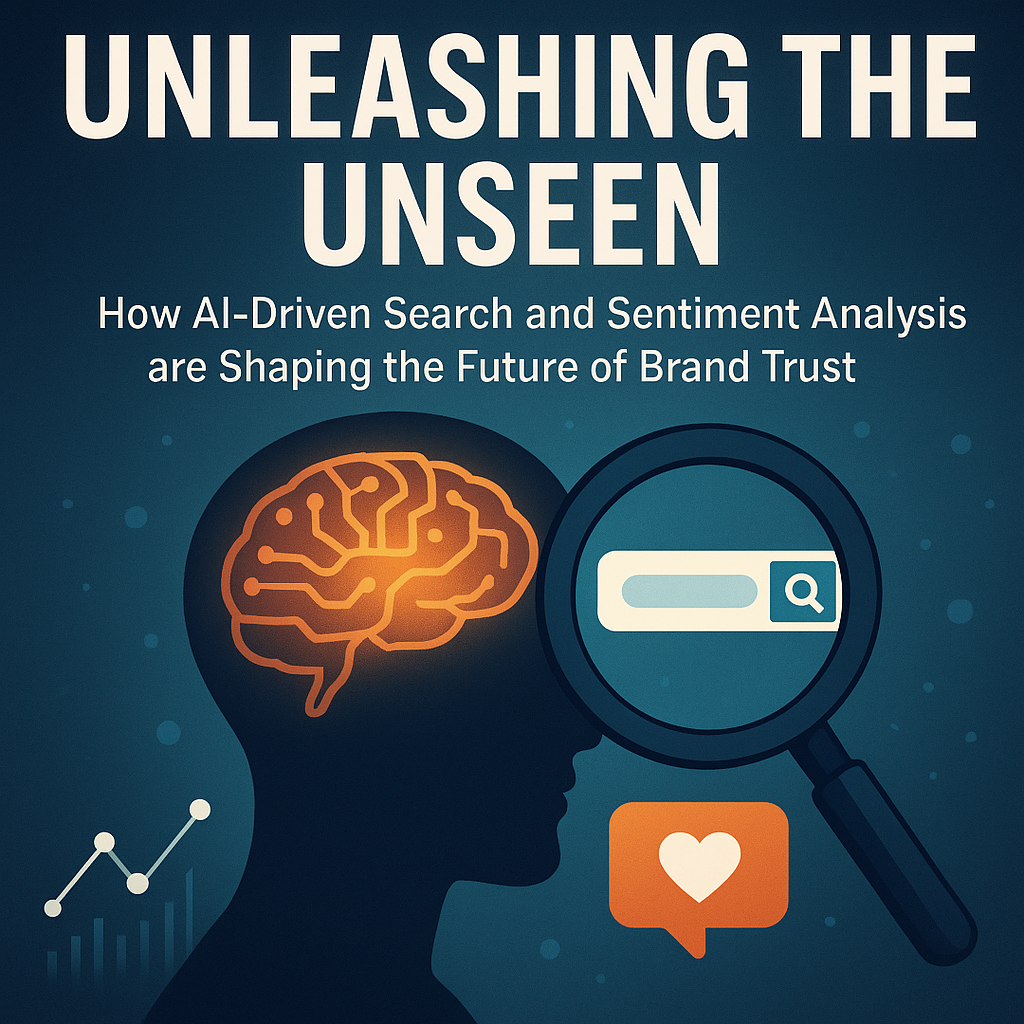
Navigating the Future of AI in SEO: Strategic Insights for C-Suite Marketing Leaders
Introduction
In the ever-evolving landscape of digital marketing, the integration of artificial intelligence (AI) into search engine optimization (SEO) is reshaping how businesses approach online visibility. For C-suite marketing professionals, understanding AI’s transformative role in SEO is no longer optional; it’s a pivotal component of strategic leadership in the digital age. AI’s capabilities extend far beyond keyword research and analytics—it’s about embracing a future where machines learn to anticipate consumer behavior and adapt content strategies accordingly. This forward-thinking approach allows marketers to not only enhance their search rankings but also to deliver personalized experiences that engage and convert users more effectively.
The convergence of AI and SEO presents a myriad of opportunities and challenges that senior marketing executives need to navigate with precision. On the opportunity front, AI-driven tools are pushing the boundaries of what is possible with data analysis, allowing for more refined targeting and better user understanding. Natural language processing (NLP) is enhancing content relevance by deciphering user intent more effectively than ever before. Furthermore, AI is revolutionizing the way search engines understand and rank content, which necessitates new strategies for optimizing websites.
However, these advancements come with challenges. The rapid pace of AI development requires constant learning and adaptation. There’s also the ethical consideration—how to balance AI’s power with privacy concerns and ensure transparency in algorithms. For C-suite leaders, formulating a strategy that leverages AI’s strengths while addressing these challenges is critical to maintaining a competitive edge.
This exploration into AI’s role in SEO aims to equip senior marketing executives with the insights necessary to make informed strategic decisions. By understanding both the potential and the pitfalls of AI in SEO, leaders can steer their organizations toward more innovative, user-centric approaches, ultimately driving growth and achieving business objectives in a digital-first world.
Features
Recent professional studies shed light on AI’s immense impact on SEO strategies. According to a study by McKinsey & Company, businesses that integrate AI into their operations see a 20-30% increase in marketing effectiveness, illustrating the profound potential AI holds for SEO practices. One of the significant ways AI enhances SEO is through machine learning algorithms that refine search engine algorithms. These algorithms enable more accurate predictions of user behavior, allowing marketers to tailor content that meets users’ specific needs.
AI-driven predictive analytics is another game-changing feature. A report by Forrester Research highlights that predictive analytics can offer insights into customer preferences and future purchasing behaviors, which can be leveraged to optimize content and improve search engine rankings. By understanding predictive trends, marketers can create content that aligns with future consumer demands, staying ahead of the competition.
The application of AI in SEO is further supported by advances in natural language processing (NLP). Google’s BERT and MUM algorithms, for instance, represent significant leaps in understanding context and query intent. Studies from the Journal of AI Research demonstrate how NLP enhances content relevance, helping SEO professionals craft content that resonates with both users and search algorithms. This not only boosts rankings but also improves user experience by delivering content that is helpful and relevant.
Moreover, AI-driven chatbots and voice search technologies are redefining user interaction with search engines. According to research from Gartner, by 2025, 80% of customer interactions will be managed without a human, indicating the crucial role AI will play in shaping the future of SEO. These technologies demand a shift in optimization strategies to ensure content is accessible and optimized for voice-search queries, thereby opening new channels for reaching and engaging with audiences.
Conclusion
As AI continues to redefine the SEO landscape, C-suite marketing leaders are presented with both challenges and opportunities that require strategic vision and adaptability. Embracing AI’s transformative potential in SEO can lead to more targeted, effective marketing strategies that meet the demands of today’s dynamic digital environment. By staying informed and integrating AI thoughtfully and ethically, leaders can drive their organizations toward sustainable growth and innovation.
References
1. [McKinsey & Company](https://www.mckinsey.com/business-functions/marketing-and-sales/our-insights/the-future-of-marketing-is-here) – “AI and the Future of Marketing.”
2. [Forrester Research](https://www.forrester.com/research) – “The Power of Predictive Analytics.”
3. [Journal of AI Research](https://www.jair.org/index.php/jair) – “Advancements in Natural Language Processing.”
4. [Gartner](https://www.gartner.com/en/documents/3865663/top-strategic-predictions-for-2021-and-beyond) – 2021, “Top Strategic Predictions for 2021 and Beyond.”
Concise Summary
AI is transforming SEO by enhancing search engine algorithms and enabling personalized user experiences. Tools like predictive analytics and NLP provide insights into consumer behaviors, refining content strategies. The rapid pace of AI necessitates constant learning for C-suite leaders, who must balance AI capabilities with ethical considerations. Understanding AI in SEO allows marketers to innovate and compete effectively in the digital landscape, embracing opportunities like chatbots and voice search. By leveraging AI thoughtfully, organizations can achieve sustainable growth and meet the demands of today’s dynamic environment.

Dominic E. is a passionate filmmaker navigating the exciting intersection of art and science. By day, he delves into the complexities of the human body as a full-time medical writer, meticulously translating intricate medical concepts into accessible and engaging narratives. By night, he explores the boundless realm of cinematic storytelling, crafting narratives that evoke emotion and challenge perspectives.
Film Student and Full-time Medical Writer for ContentVendor.com