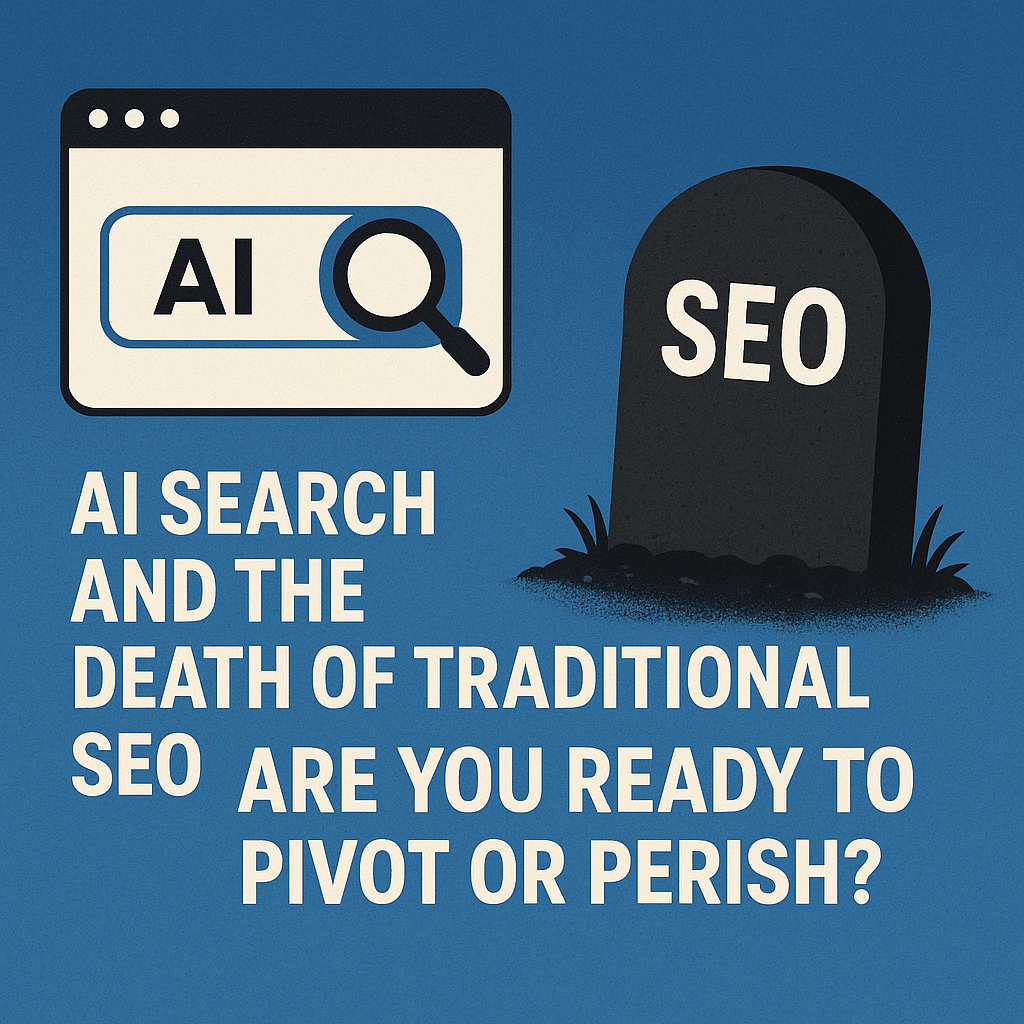
Embracing AI in SEO: Transforming Strategies for C-Suite Marketing
Introduction: Understanding the AI Revolution in SEO
In the rapidly evolving digital landscape, Artificial Intelligence (AI) is reshaping industries globally. For C-suite marketing and SEO professionals, leveraging AI is now essential to maintain competitiveness. AI technologies are transforming search algorithms, customer insights, and personalization, requiring businesses to innovate constantly. AI’s ability to analyze vast amounts of data accurately enables a deeper understanding of search patterns and user intent, revolutionizing SEO strategies. Machine learning algorithms empower search engines to provide more relevant results, necessitating a shift towards more customer-centric content strategies. This transformation is vital for C-suite leaders aiming for sustained business success.
The evolution of AI means a more refined approach to keyword strategies, moving beyond traditional keyword stuffing to embrace semantic search, where AI discerns the context behind search queries. C-suite executives should focus on crafting content that genuinely aligns with user needs. AI’s predictive analytics capabilities empower professionals to anticipate market trends, allowing for proactive marketing strategies. By optimizing content for emerging search queries, brands stay ahead. AI transforms raw data into actionable insights, redefining marketing strategies’ design and execution.
Moreover, incorporating AI in SEO enhances operational efficiency by automating repetitive tasks and refining audience targeting. This ensures that marketing efforts are precise and impactful. As we delve deeper into this AI-driven era, C-suite marketers must embrace these tools, steering their organizations into the future with agility.
Features: The Science Behind AI’s Impact on SEO
Professional and academic studies are unveiling AI’s impact on SEO strategies. A pivotal study by [McKinsey & Company](https://www.mckinsey.com) highlighted that AI could create $5.8 trillion annually in value across various industries by enhancing analytics processes. This underscores AI’s potential for transforming marketing and SEO strategies.
In AI-enhanced SEO, machine learning algorithms like Google’s RankBrain have altered search result generation. RankBrain uses AI to interpret search queries’ context and user intent. Global Industry Analysts Inc. projects that the global market for AI in SEO will surpass $2.8 billion by 2025 ([source](https://www.strategyr.com)).
A [whitepaper by MIT Sloan Management Review](https://sloanreview.mit.edu) explores AI’s role in hyper-targeting digital marketing. Through deep learning techniques, AI can more precisely segment audiences, targeting user behavior, preferences, and trends. This significantly increases marketing campaigns’ efficiency and effectiveness.
Natural language processing (NLP) is another significant AI advance affecting SEO. Research in the [Journal of Artificial Intelligence Research](https://www.jair.org) suggests NLP will continue evolving, allowing more intuitive user-technology interactions.
AI-driven predictive analytics tools are also spotlighted for forecasting search trends. Brands using these tools can tailor strategies proactively, maintaining a competitive edge in today’s business landscape.
Conclusion: Seizing the AI Opportunity in SEO
Adopting AI in SEO marks a crucial transformative shift for modern marketing success. As AI progresses, the potential to enhance user experience and business performance is limitless. C-suite marketing professionals must embrace this evolution, leveraging AI to gain competitive advantage and drive innovation. By integrating AI into their SEO strategies, leaders can unlock new growth pathways, ensuring long-term success in the competitive digital arena.
Concise Summary:
The integration of AI in SEO is reshaping industries, requiring C-suite marketing professionals to innovate and stay competitive. AI technologies transform search algorithms, enhance customer insights, and improve personalization by analyzing data to understand search patterns and user intent. This evolution enables more refined keyword strategies with semantic search. AI’s predictive analytics help forecast market trends, making content optimization proactive. Moreover, AI enhances operational efficiency and precise audience targeting. With AI’s potential rising, marketing leaders must embrace it to remain competitive and drive future growth in the digital landscape.

Dominic E. is a passionate filmmaker navigating the exciting intersection of art and science. By day, he delves into the complexities of the human body as a full-time medical writer, meticulously translating intricate medical concepts into accessible and engaging narratives. By night, he explores the boundless realm of cinematic storytelling, crafting narratives that evoke emotion and challenge perspectives.
Film Student and Full-time Medical Writer for ContentVendor.com