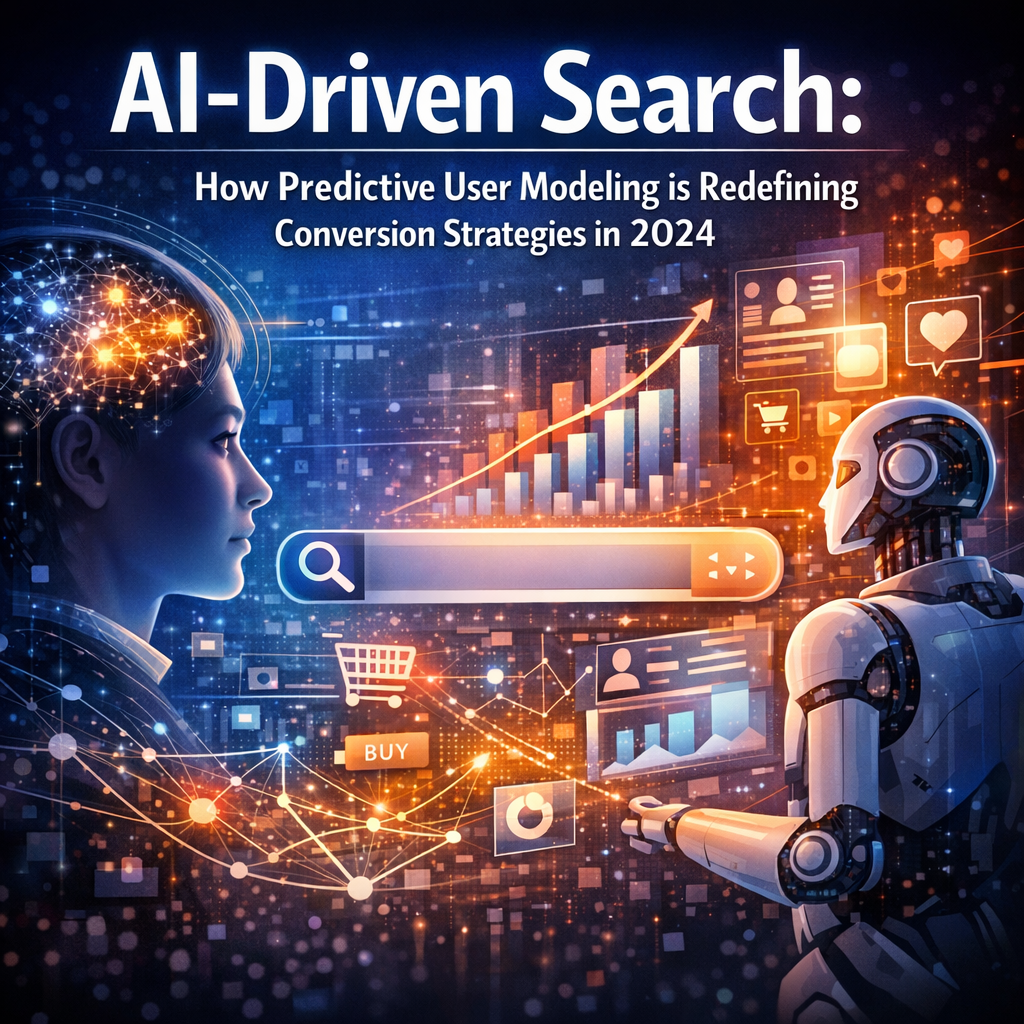
The Future of SEO: Navigating AI and Machine Learning in Digital Marketing
Introduction
In the ever-evolving landscape of digital marketing, C-suite marketing and SEO professionals are constantly seeking innovative strategies to stay ahead of the competition. One of the most transformative developments in recent years is the integration of Artificial Intelligence (AI) and Machine Learning (ML) into SEO practices. As digital ecosystems become increasingly complex, understanding and leveraging these technologies is crucial for modern marketers. AI and ML enable data-driven decision-making, enhancing the precision of SEO techniques and providing marketers with unprecedented insights into consumer behavior.
AI-driven SEO tools can sift through massive datasets to predict trends, automate labor-intensive tasks, and personalize user experiences on a scale previously unimaginable. For instance, algorithms now power Google’s RankBrain, an AI model that helps sort search results. This has significant implications for how businesses approach their SEO strategies. RankBrain’s role in determining how pages are ranked means that marketers must focus on optimizing user experience rather than relying solely on traditional keyword strategies. Furthermore, understanding how to utilize these tools can lead to increased visibility and improved rankings over time.
Moreover, AI technologies are improving content creation and curation processes. Natural Language Processing (NLP) algorithms can analyze vast amounts of content to ensure relevance and quality, even suggesting topic ideas that likely resonate with specific audiences. Superior content alignment with user intent not only improves rankings but also fosters engagement, leading to higher conversion rates. By producing content that truly meets the needs and preferences of users, businesses can significantly enhance their appeal and drive sustained traffic.
As machine learning models continue to evolve, they’re refining predictive analytics capabilities, enabling marketers to anticipate shifts in consumer behavior. This foresight is invaluable for creating adaptable marketing campaigns that can pivot swiftly in response to changing market conditions. For C-suite executives, understanding the intricacies of these technologies is not just a technical requirement but a strategic imperative. Leveraging AI and ML in SEO not only enhances competitive edge but also maximizes ROI through efficiency and scalability.
Features
The integration of AI and machine learning into SEO is backed by various professional studies that underscore its benefits. A study by McKinsey & Company highlights that companies leveraging AI can increase their cash flow by up to 20% higher than their peers. This is attributed to AI’s ability to streamline operations and enhance decision-making processes [source](https://www.mckinsey.com/business-functions/mckinsey-digital/our-insights/how-artificial-intelligence-can-deliver-real-value-to-companies).
Another study from MIT Sloan emphasizes how businesses can harness AI’s power to improve customer service and drive sales through personalized marketing. Machine learning algorithms help in segmenting audiences more precisely than traditional methods, enabling tailored messaging that resonates with specific consumer groups [source](https://sloanreview.mit.edu/article/strategies-for-managing-ai-and-machine-learning/).
Furthermore, a research paper published in the Journal of Marketing Research explores the impact of AI on consumer interactions and brand perception. It notes that AI’s role in improving the relevance and timing of marketing messages can substantially bolster consumer trust and loyalty—key components of sustained business success [source](https://journals.sagepub.com/doi/full/10.1177/0022242919870368).
Finally, the Harvard Business Review outlines the necessity for businesses to upskill their workforce to meet the demands created by AI-driven processes. Companies that invest in retraining their teams not only optimize the use of new technologies but also foster an innovative workplace culture that is adaptable to technological shifts [source](https://hbr.org/2019/07/the-right-way-to-lead-design-thinking).
Conclusion
The integration of AI and machine learning in SEO represents a paradigm shift that promises enhanced efficiency, deeper insights, and improved customer interactions for businesses worldwide. For C-suite marketing and SEO professionals, embracing these technologies is imperative to remain competitive. By staying informed and adaptable, leaders can harness these advancements to drive growth, engagement, and brand loyalty. As AI and machine learning continue to evolve, the potential for digital marketing innovations remains limitless.
Concise Summary
The incorporation of Artificial Intelligence (AI) and Machine Learning (ML) into SEO is revolutionizing digital marketing by providing data-driven insights and automating tasks, thus enhancing efficiency and consumer engagement. AI tools such as Google’s RankBrain and NLP algorithms enable marketers to optimize user experience and content relevance. Studies indicate that AI can significantly boost business performance, with companies enjoying higher cash flow and improved customer trust. Mastering these technologies is critical for modern marketers aiming to sustain competitive advantages and drive ROI.

Dominic E. is a passionate filmmaker navigating the exciting intersection of art and science. By day, he delves into the complexities of the human body as a full-time medical writer, meticulously translating intricate medical concepts into accessible and engaging narratives. By night, he explores the boundless realm of cinematic storytelling, crafting narratives that evoke emotion and challenge perspectives.
Film Student and Full-time Medical Writer for ContentVendor.com