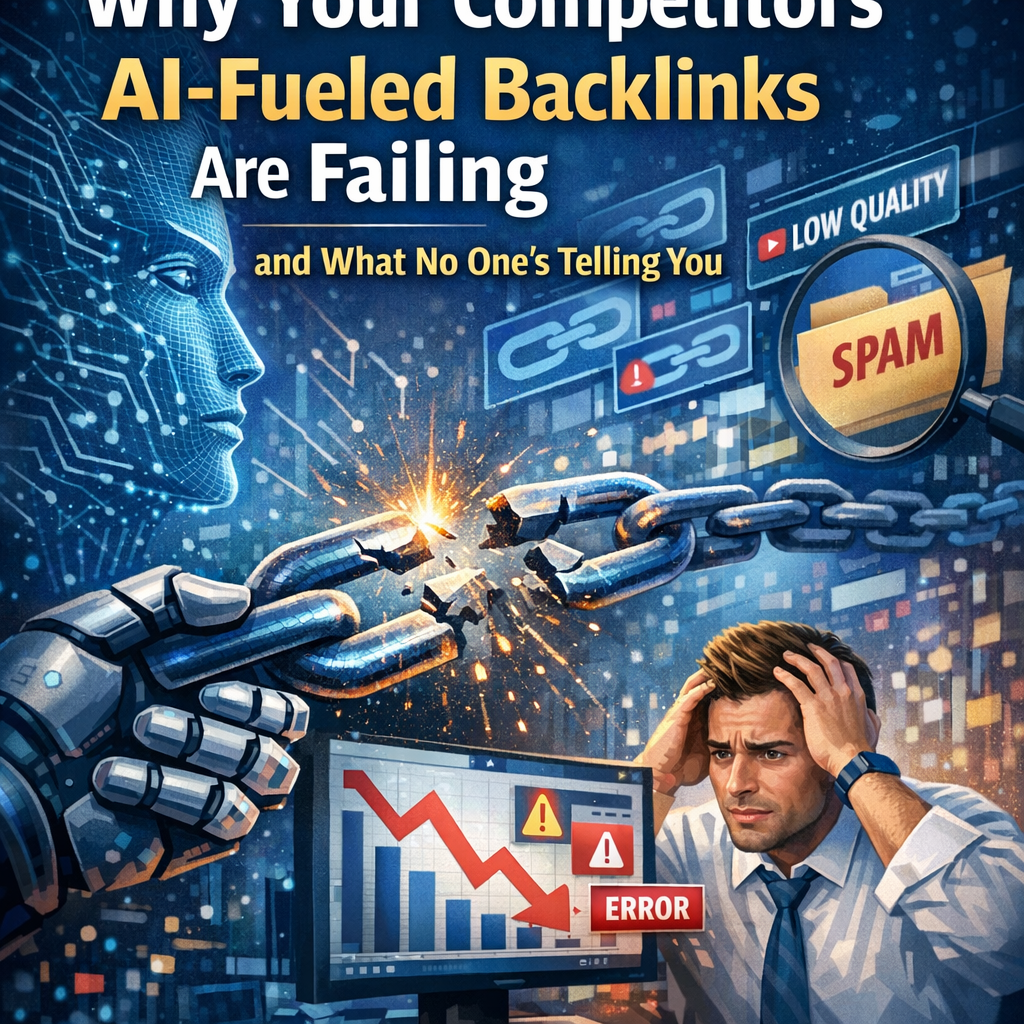
Harnessing AI for SEO: The Future of Search and Content Strategy
Introduction:
The digital marketing landscape is evolving rapidly, with artificial intelligence (AI) driving this transformation. For C-suite marketing and SEO professionals, understanding AI’s impact on search engine optimization (SEO) and content strategy is essential. AI goes beyond automation by reshaping how data is used to optimize search ranking and enhance user experience. At its core, SEO aims to understand search behavior, and AI deepens this understanding by analyzing vast data sets, applying predictive analytics, and utilizing natural language processing(NLP). AI-driven tools like Google’s BERT and RankBrain enhance user intent understanding, shifting the focus from traditional keyword-centric strategies to user-centric approaches that prioritize content relevance and contextual understanding.
AI tools can analyze SERPs with remarkable accuracy, allowing SEO professionals to refine strategies. AI-powered chatbots, personalization engines, and voice-activated search are seamlessly integrating into SEO practices, enriching customer engagement metrics, and creating a more personalized digital experience.
As AI in SEO becomes more sophisticated, C-suite marketing professionals face opportunities and challenges. AI allows predicting trends, enhancing metadata, and automating redundant tasks, significantly improving ROI. Organizations must stay updated on technological innovations and maintain flexible strategies to adapt to rapid digital ecosystem changes.
Features:
Professional and academic studies highlight AI’s impact on SEO. An McKinsey & Company study found AI could create $1.4 to $2.6 trillion in marketing value, emphasizing SEO and personalization’s importance ([McKinsey](https://www.mckinsey.com/featured-insights/artificial-intelligence)). This underscores the need for organizations to streamline digital marketing through AI investment.
Research from the Journal of Artificial Intelligence Research explores AI’s role in NLP and its influence on content strategies ([JAIR](https://jair.org/index.php/jair/article/view/11025)). It emphasizes how NLP-based algorithms enable content personalization, crucial for engaging discerning digital audiences.
AI’s role in predictive analytics is crucial. A PwC report highlights AI-driven analytics enhancing consumer insights and boosting content strategies for better search visibility ([PwC](https://www.pwc.com/gx/en/issues/analytics/assets/pwc-ai-predictive-analytics.pdf)). Businesses using AI can anticipate consumer needs, creating a competitive advantage.
AI-powered image and video recognition advancements revolutionize visual search, crucial for consumer-facing fields. A Gartner study shows enterprises implementing AI-driven visual search see increased traffic and conversions ([Gartner](https://www.gartner.com/en/newsroom/press-releases/2020-01-27-gartner-predicts-2019)). This intersection of visual AI and SEO significantly influences digital marketing strategies.
These studies illustrate AI’s potential in SEO and the need for SEO frameworks to integrate AI solutions. Organizations tapping into AI’s capabilities ensure responsive, nuanced, and efficient SEO strategies aligning with future trends and user expectations.
Conclusion:
In conclusion, as AI continues to shape SEO and digital marketing’s future, C-suite professionals must leverage these technologies to drive strategic initiatives and business growth. Organizations embracing AI transform their SEO strategies, delivering personalized, relevant, and effective marketing efforts that meet consumer demands and cultivate a sustainable competitive edge in the digital marketplace.
Concise Summary
The rise of artificial intelligence in SEO and content strategy reshapes how data optimizes search rankings and user experiences. AI advancements in predictive analytics, NLP, and machine learning shift SEO from keyword-centric to user-centric approaches, enhancing relevance and contextual understanding. Integrating AI tools offers strategic advantages but requires C-suite professionals to remain adaptable and technologically aware. Leveraging AI leads to refined strategies, improved consumer insights, and competitive advantages. Organizations embracing AI transform marketing efforts, delivering effective, personalized experiences.
References:
1. [McKinsey & Company](https://www.mckinsey.com/featured-insights/artificial-intelligence)
2. [JAIR](https://jair.org/index.php/jair/article/view/11025)
3. [PwC](https://www.pwc.com/gx/en/issues/analytics/assets/pwc-ai-predictive-analytics.pdf)
4. [Gartner](https://www.gartner.com/en/newsroom/press-releases/2020-01-27-gartner-predicts-2019)

Dominic E. is a passionate filmmaker navigating the exciting intersection of art and science. By day, he delves into the complexities of the human body as a full-time medical writer, meticulously translating intricate medical concepts into accessible and engaging narratives. By night, he explores the boundless realm of cinematic storytelling, crafting narratives that evoke emotion and challenge perspectives.
Film Student and Full-time Medical Writer for ContentVendor.com